

Keeping your home warm during colder months is not just about comfort. It also affects your energy bills, indoor air quality, and the overall lifespan of your home systems. When heat escapes, your heating equipment must work harder and longer to maintain a consistent indoor temperature, which can lead to higher utility costs and unnecessary wear on essential components. Over time, this added strain may result in more frequent repairs or premature system replacement.
Many homeowners are surprised to learn how much heat quietly escapes through overlooked areas of the house. Drafty rooms, fluctuating temperatures, and cold floors are often signs of hidden heat loss rather than a failing heating system. Even small gaps or poorly insulated spaces can allow warm air to seep out and cold air to move in, creating discomfort and uneven heating throughout the home.
Understanding where heat loss occurs is the first step toward improving efficiency. Once you know the most common problem areas, you can prioritize upgrades and maintenance that make a real difference in both comfort and long-term savings. Here’s a simple guide to help you realize where your home might be losing most of its heat and what you can do to stop it.
Gaps Around Heating and Cooling Systems
One of the biggest contributors to heat loss is the area surrounding your home’s climate control equipment. Ductwork, vents, and mechanical closets often have gaps that allow warm air to escape before it ever reaches your living space. Even well designed systems can lose efficiency if these areas are not properly sealed, causing heated air to leak into walls, ceilings, or unconditioned zones rather than circulating where it is needed most.
Homes with older HVAC setups are especially vulnerable to this issue. Over time, constant vibration, seasonal expansion and contraction, and normal wear can loosen connections and degrade sealing materials. These small changes create tiny openings that may seem insignificant on their own but collectively contribute to major energy loss. In unconditioned spaces like basements, crawl spaces, or attics, escaping warm air cools rapidly, forcing the system to run longer to maintain indoor comfort.
Sealing duct joints, insulating exposed ductwork, and checking around vents can significantly reduce wasted heat and improve overall system performance. Adding insulation around mechanical rooms and ensuring access panels are tightly sealed also helps contain warmth. Professional inspections often reveal hidden leaks, disconnected ducts, or poorly sealed transitions that homeowners might not notice on their own. Addressing these issues can lead to more consistent temperatures, lower energy bills, and a heating system that operates more efficiently throughout the season.
Poorly Maintained Heating Equipment
Your primary heating equipment plays a critical role in maintaining indoor warmth and overall comfort. When it is not functioning efficiently, more energy is required to produce the same level of heat, which can quickly drive up utility costs. This inefficiency often leads to uneven heating, cold spots in certain rooms, and increased heat loss throughout the home as the system struggles to compensate for reduced performance.
Neglected systems may short cycle, struggle to maintain a consistent temperature, or leak warm air into mechanical rooms instead of directing it into living spaces. Worn components, dirty filters, and outdated controls can all contribute to these issues. In some cases, homeowners notice rising energy bills or persistent discomfort before realizing the system itself is part of the problem. Scheduling timely heater repair can help restore proper operation, improve efficiency, and reduce unnecessary heat loss before minor issues turn into costly failures.
Routine maintenance ensures components are clean, calibrated, and operating as designed. It also allows potential problems to be identified early, preventing sudden breakdowns during colder months. A well maintained heating system distributes warmth evenly across the home, reducing strain on individual components and preventing heat from escaping where it should not. Over time, this proactive approach supports better energy efficiency, longer equipment lifespan, and a more comfortable indoor environment.
Heat Loss Through Kitchens and Adjacent Walls
The kitchen is often one of the busiest rooms in the house, but it is also a common source of heat loss that many homeowners overlook. Because kitchens frequently have multiple exterior walls, plumbing lines, and utility connections, there are more opportunities for warm air to escape. Older cabinetry designs can leave uninsulated voids along walls and floors, allowing heat to seep out and cold air to settle in. This is especially true in kitchens that have not been updated in decades and were built before modern energy efficiency standards were widely adopted.
Appliances that require venting, such as range hoods, create intentional openings that must be properly sealed when not in use. If dampers are worn or poorly fitted, cold air can easily travel back into the kitchen, making the space feel drafty even when the rest of the home is warm. Without adequate insulation, these vented areas become direct channels for cold air infiltration. Homeowners working with a kitchen remodeling contractor often discover hidden gaps behind cabinets, around plumbing penetrations, or along exterior walls that contribute significantly to heat loss.
Upgrading insulation, sealing penetrations, and installing energy efficient fixtures can dramatically reduce heat loss in kitchen spaces while improving comfort and usability. Improvements such as insulated vent covers, better wall insulation, and tighter cabinet installations help maintain consistent temperatures. These upgrades not only make the kitchen more comfortable during colder months but also support better overall energy efficiency throughout the home.
Inefficient Utility Rooms and Storage Areas

Utility rooms and storage spaces are often overlooked when it comes to insulation and air sealing, yet they play an important role in a home’s overall energy performance. These areas may house critical equipment, but they are rarely designed with comfort or efficiency as a priority. Because they are typically tucked away from main living spaces, gaps and drafts can go unnoticed for years. As a result, they can become significant sources of heat loss that affect the rest of the home.
Water heaters, laundry areas, and mechanical closets frequently have unsealed wall penetrations for plumbing, electrical lines, or venting. In many cases, these openings lead directly to unconditioned spaces, allowing warm air to escape freely. Heat generated in these rooms can easily dissipate into garages, basements, or crawl spaces rather than contributing to indoor comfort. Addressing issues related to water heater repair can also help reduce standby heat loss, ensuring that stored hot water retains its temperature more effectively and operates with less energy waste.
Adding insulation to walls and ceilings, sealing gaps around pipes and wiring, and ensuring equipment operates efficiently can make a noticeable difference. Weather stripping doors, insulating access panels, and improving airflow management further help contain warmth. These upgrades prevent valuable heat from escaping into unused areas and support more consistent temperatures throughout the home, ultimately reducing energy costs and improving long-term system performance.
Older Layouts and Inconsistent Insulation
Homes built decades ago often lack consistent insulation standards, largely because building codes and materials have evolved significantly over time. Some rooms may be well insulated due to partial upgrades, while others still have minimal protection against heat loss. This inconsistency creates noticeable cold spots, uneven temperatures, and drafts that make certain areas uncomfortable during colder months. As a result, heating systems are forced to work harder and longer to compensate, increasing energy usage and wear on equipment.
Additions and renovations completed over the years can worsen the problem if insulation improvements were not included in the scope of work. Older sections of the home may be joined to newer ones with very different efficiency levels, allowing heat to escape through walls, ceilings, or floors that were never properly insulated. Working with a local home remodeling service allows homeowners to identify these weak points through inspections and targeted assessments, helping bring older areas up to modern efficiency standards without unnecessary demolition.
Upgrading insulation during remodeling projects is one of the most effective ways to reduce heat loss and improve overall comfort. It creates a more uniform thermal barrier throughout the home, ensuring that all areas retain warmth evenly. In addition to making living spaces more comfortable, these upgrades reduce energy consumption, lower utility bills, and add long-term value by improving the home’s overall performance and efficiency.
Structural Design and Construction Choices
The way a home is designed and built has a long term impact on how well it retains heat. Structural elements such as framing methods, ceiling heights, and material choices all influence thermal performance.
Homes built without energy efficiency in mind often have thermal bridging, where heat transfers through framing materials and escapes outside. A knowledgeable residential builder understands how to minimize these issues through smart design and proper insulation techniques.
Addressing structural heat loss may involve adding insulation, sealing joints, or upgrading materials. While these improvements require planning, they provide lasting benefits in comfort and energy savings.
Attics and Insulation Quality
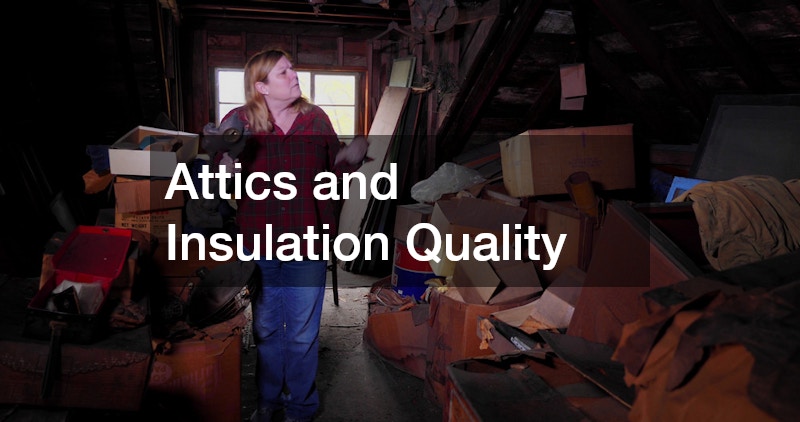
Attics are one of the most critical areas for preventing heat loss. Warm air naturally rises, making the attic a primary escape point if insulation is inadequate. Many homes have insulation that has settled, degraded, or was improperly installed.
Choosing the right materials is essential. Working with reputable spray foam insulation suppliers ensures access to high quality products that provide superior air sealing and thermal resistance.
Proper attic insulation not only keeps heat inside during winter but also helps regulate temperatures year round. Sealing attic access points and ensuring consistent coverage can dramatically reduce overall heat loss.
Roof Condition and Hidden Leaks
Your roof serves as the first line of defense against the elements, yet it is often overlooked as a source of heat loss. Small gaps, worn materials, or damaged flashing can allow warm air to escape while letting cold air in.
Over time, weather exposure can compromise roofing materials, reducing their insulating properties. Professional roofing services can identify problem areas that contribute to heat loss and recommend appropriate repairs or upgrades.
Maintaining a well sealed and insulated roof helps stabilize indoor temperatures and prevents moisture related issues that can further degrade insulation performance.
Aging Roof Systems and Energy Efficiency
Not all roofs perform equally when it comes to heat retention. Older roofing systems may lack modern underlayment or insulation standards, leading to significant energy loss. Even if a roof appears structurally sound, it may still allow heat to escape.
A trusted residential roofing service can assess whether your roof meets current efficiency expectations. In some cases, adding insulation or improving ventilation can make a noticeable difference without a full replacement.
Upgrading roof components improves comfort, reduces heating costs, and extends the life of your roofing system by preventing ice dams and condensation issues.
Windows and Glass Surfaces

Windows are one of the most well known sources of heat loss in a home. Single pane glass, worn seals, and outdated frames allow warm air to escape rapidly. Even small drafts around window frames can significantly affect indoor temperatures.
Modern energy efficient windows are designed to minimize heat transfer and reduce drafts. Homeowners who invest in local window replacement services often see immediate improvements in comfort and lower energy bills.
Sealing gaps, upgrading glazing, and installing insulated frames help keep heat inside where it belongs. Addressing window related heat loss is one of the most impactful upgrades a homeowner can make.
Heat loss is a common challenge for homeowners, but it is also one of the most manageable when approached with the right information and planning. By understanding where warmth escapes, you can make informed decisions about upgrades, repairs, and ongoing maintenance that directly impact comfort and efficiency. Each improvement, whether small or large, contributes to a more comfortable and energy efficient home and helps prevent unnecessary strain on heating systems.
Prioritizing insulation, sealing gaps, and maintaining key systems pays off over time in both short term savings and long term performance. These efforts reduce energy waste, stabilize indoor temperatures, and minimize drafts that can make living spaces uncomfortable. A warmer home uses less energy, costs less to operate, and places less stress on essential equipment, helping extend its lifespan.
Addressing heat loss is not just about saving money on utility bills. It is about protecting your home from moisture issues, improving indoor air quality, and creating a healthier, more consistent living environment for everyone inside. With a proactive approach, homeowners can enjoy greater comfort, improved efficiency, and peace of mind knowing their home is better prepared for colder seasons.