There are few things more frustrating than an air conditioning unit that isn’t doing its job, especially during hot months. A malfunctioning AC can lead to discomfort, increased energy bills, and potentially costly repairs if not addressed promptly. Understanding common reasons behind this issue can help in identifying whether AC repair is necessary.
Video Source
1. Dirty Air Filters
Dirty air filters can significantly impede an air conditioning unit’s ability to cool a room effectively. When filters become clogged with dust and debris, airflow is restricted, forcing the system to work harder to distribute air. In severe cases, this can lead to component stress and potential damage requiring AC repair.
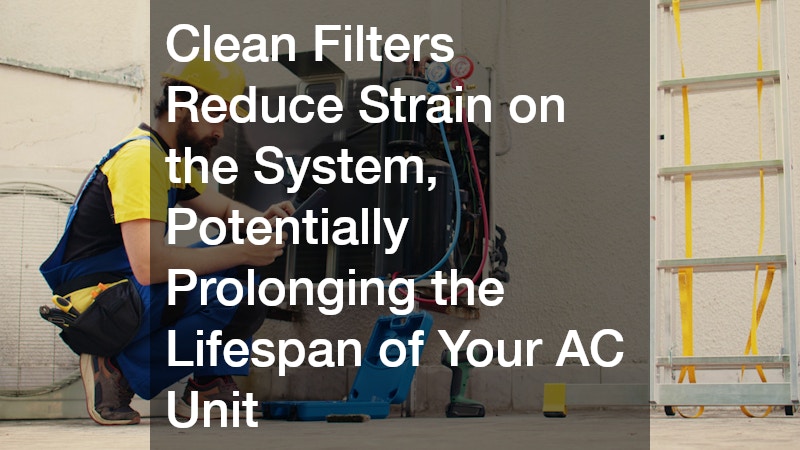
Regular maintenance, including changing or cleaning the air filters, is essential to ensuring optimal performance. By doing so, you maintain better air circulation and improve the unit’s efficiency, contributing to lower energy bills. Clean filters reduce strain on the system, potentially prolonging the lifespan of your AC unit.
It’s advisable to check the filters every month during heavy use periods to prevent this common issue. Most manufacturers recommend changing filters every 1 to 3 months. Staying vigilant about air filter maintenance can save both headaches and money over time.
2. Refrigerant Leaks
Another common reason why an AC may not blow cold air is due to a refrigerant leak. Refrigerant is the lifeblood of any air conditioning system, and without it, the unit cannot effectively cool the air inside your home. Detecting a leak can be complicated, often requiring professional AC repair services.
Signs of refrigerant leaks include hissing noises from the unit, ice formation on the evaporator coils, and insufficient cooling. Addressing these leaks promptly is essential, as continued operation under these conditions can damage the compressor. A licensed technician will need to properly seal any leaks and recharge the system with the right amount of refrigerant.
Preventing refrigerant leaks involves regular maintenance checks to ensure all components are functioning as they should. Early detection can prevent minor issues from escalating into more significant problems that require more extensive AC repair. In doing so, you ensure more consistent cooling efficiency and system longevity.
3. Thermostat Issues
A malfunctioning thermostat can also be the culprit behind an AC not blowing cold air. If the thermostat is not calibrated correctly, it may misread the room temperature and signal the unit to stop cooling prematurely. Checking the thermostat settings and batteries can sometimes resolve the issue without needing professional AC repair.
In more severe cases, the thermostat itself may need replacement or recalibration. Programmable thermostats may lose their settings, leading to inconsistency in maintaining desired temperatures. Consulting the user manual or hiring a professional can ensure the thermostat is accurately controlling the AC system.
Updating to a smart thermostat can also help prevent these issues and provide better control over your home’s climate. Smart thermostats offer insights into energy consumption and allow for remote adjustments, enhancing efficiency. This technology can be an excellent investment for reducing the need for AC repair due to thermostat-related failures.
4. Electrical Problems
Electrical issues can also prevent an AC unit from blowing cold air effectively. Problems such as blown fuses or tripped circuit breakers can cut power to critical components within the air conditioning system. Regular inspection of the electrical connections and wiring can help prevent these issues from interrupting your AC’s function.
If you suspect an electrical issue is to blame, it is generally best to consult with an AC repair professional to diagnose and fix the problem. Attempting to fix electrical issues without proper knowledge and tools can be dangerous. Professionals have the expertise to safely address wiring problems, ensuring your AC operates smoothly and safely.
Maintaining a relationship with a trusted HVAC service provider can be beneficial for regular inspections. By doing so, you can ensure your AC unit receives comprehensive care and that any electrical issues are swiftly resolved. This proactive approach minimizes disruption and improves the reliability of your AC over time.
5. Frozen Evaporator Coils
Frozen evaporator coils are another frequent cause of inadequate cooling performance in AC units. This issue arises when there is restricted airflow over the coils, often due to clogged filters or blocked vents. Ice build-up prevents the coils from absorbing heat, leading to warm air being emitted instead.
Addressing frozen coils typically involves turning off the unit to allow the ice to melt and resolving the underlying airflow issue. Proper system maintenance, including ensuring that air filters and vents are clean and unobstructed, can prevent this issue. If the problem persists, a professional AC repair service can help identify any other contributing factors.
Regular maintenance checks involving HVAC professionals can preemptively address potential causes of frozen coils. This preventive care can keep your system efficient and reduce the likelihood of a breakdown during peak cooling seasons. Proactive management ultimately enhances the unit’s cooling capability and durability.