
Utility bills often rise slowly over time, then suddenly feel harder to manage. The change may occur even when daily habits stay the same, making the problem feel unclear and frustrating.
In many homes, higher costs are not just about energy use. They often come from hidden issues inside systems and structural areas that quietly reduce efficiency. When air escapes, insulation weakens, or equipment struggles, energy demand increases without obvious warning signs.
Understanding these causes helps you take control earlier. The goal is to see where energy is being lost and what can be done to reduce waste while keeping the home comfortable.
Heating and Cooling System Strain
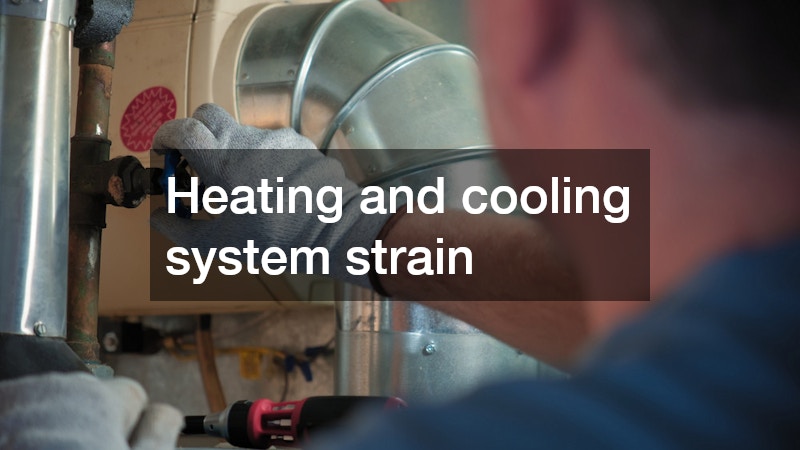
One of the most common drivers of rising utility bills is an overworked heating and cooling system. When equipment struggles to keep up, it runs longer cycles and uses more energy than necessary.
A licensed HVAC contractor can evaluate whether the system is operating efficiently or working harder due to hidden issues. Small problems like clogged filters or low refrigerant often grow into larger efficiency losses over time.
Routine HVAC services help keep systems running at stable performance levels. Without regular maintenance, airflow weakens, and temperature control becomes inconsistent.
Common signs of system strain include:
- Uneven temperatures between rooms
- Longer heating or cooling cycles
- Frequent system cycling
- Weak airflow from vents
These changes often happen gradually, but they directly increase monthly energy costs.
Maintenance Support and Efficiency Gaps
A local HVAC company often identifies issues that are easy to miss during everyday use. These include duct leaks, thermostat inaccuracies, and worn components that reduce system efficiency.
When HVAC systems are not properly maintained, they lose performance over time. That means more energy is required to achieve the same comfort level.
Key areas that often go unnoticed:
- Dirty or blocked air filters
- Leaky ductwork in hidden spaces
- Thermostat calibration issues
- Aging blower components
Fixing these issues early helps stabilize energy use and prevents unnecessary spikes in utility bills.
Indoor Air Leakage and Pressure Imbalance
Air leakage inside the home is one of the most overlooked causes of rising energy costs. When conditioned air escapes and outdoor air enters, systems must work harder to maintain temperature balance.
A trained HVAC contractor can measure pressure differences and identify where air is being lost. These tests often reveal hidden inefficiencies in ductwork and wall connections.
HVAC services may include balancing airflow and sealing problem areas to restore efficiency.
Key inspection points often include:
- Air return and supply balance
- Duct sealing integrity
- Pressure differences between rooms
- Leakage around vents and joints
Even small leaks can lead to constant energy waste over time.
Roof Condition and Energy Loss
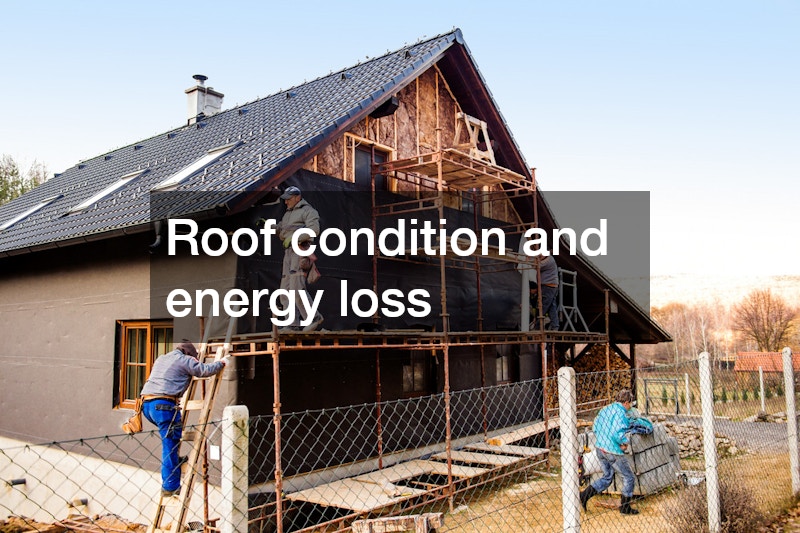
The roof plays a major role in keeping indoor temperatures stable. When it becomes damaged or worn, heat transfer increases and energy use rises.
Professional roofers often find that small roof issues create larger efficiency problems. Missing shingles or weakened materials can allow outside air to affect indoor comfort.
Roofing services help identify where energy loss is occurring due to structural weaknesses.
Warning signs include:
- Rising indoor temperatures in summer
- Cold drafts in winter
- Visible shingle damage
- Ceiling stains or moisture marks
These issues force heating and cooling systems to work longer, increasing utility costs.
Structural Protection and Home Efficiency
A roofer can inspect areas that are not easily visible, such as roof edges, flashing, and attic connections. These areas often develop small gaps that allow air to escape.
When these problems are left unresolved, HVAC systems must compensate continuously. That leads to higher energy usage and increased strain on equipment.
Roof repair becomes necessary when damage begins to affect insulation and airflow stability.
Key impacts of unresolved roof issues:
- Increased heating and cooling demand
- Moisture entering attic spaces
- Reduced insulation effectiveness
- Higher long-term energy costs
Early repairs help maintain a stable indoor environment and reduce wasted energy.
Water Flow and Exterior Drainage Issues
Gutters help control how water moves away from the home. When they fail, water can collect in areas that were not designed to handle moisture.
Gutter repair is important because drainage problems can affect insulation and indoor temperature control. Water intrusion often leads to damp materials that lose their insulating ability.
Poor drainage can cause:
- Foundation moisture buildup
- Mold growth in hidden spaces
- Roof edge deterioration
- Higher indoor humidity levels
When humidity rises, cooling systems must work harder, increasing energy consumption.
Proper drainage supports stable indoor conditions and helps reduce unnecessary energy use.
Roof Upgrades and long-Term Savings
Older roofing systems often become less efficient over time. Materials wear down, insulation weakens, and heat transfer increases.
Roof installations using modern materials improve energy performance significantly. Newer systems are designed to reflect heat and improve insulation layers.
Energy benefits include:
- Lower temperature swings indoors
- Reduced cooling demand in summer
- Improved insulation performance
- Longer roof lifespan
These upgrades are not just structural improvements—they directly impact energy efficiency and monthly utility costs.
Exterior Walls and Insulation Performance
Walls are another major source of hidden energy loss. When siding materials weaken, air can escape through gaps and reduce overall efficiency.
Siding companies often identify areas where exterior protection is no longer effective. These issues may not be visible inside the home, but still affect comfort and energy use.
Common problems include:
- Cracked or warped siding panels
- Moisture trapped behind walls
- Insulation gaps or compression
- Air leaks near windows and corners
When siding performance declines, heating and cooling systems must work harder to compensate, increasing energy bills over time.
Storm Damage and Exterior System Failures
Severe weather can create hidden damage that slowly impacts energy efficiency. Wind, hail, and heavy rain often weaken exterior systems without immediate visible signs.
Professional roofers frequently find storm-related issues such as lifted shingles, damaged flashing, or small structural shifts that affect insulation performance.
Roofing services help restore protective layers that regulate temperature and prevent energy loss.
A roofer may also identify:
- Small cracks around roof joints
- Loose shingles after storms
- Moisture in attic insulation
- Weak areas near vents and chimneys
Even minor storm damage can increase energy use by reducing the home’s ability to maintain stable temperatures.
Long-term Home Upgrades That Reduce Bills
Older homes often struggle with energy efficiency due to outdated materials and systems. Over time, this leads to higher utility bills, especially during extreme weather.
Roof installations using updated materials can significantly reduce heat absorption and improve insulation performance. Modern roofing systems help maintain more stable indoor temperatures throughout the year.
Benefits often include:
- Less strain on HVAC systems
- More consistent indoor comfort
- Reduced energy use during peak seasons
- Improved overall efficiency
At the same time, siding companies help improve exterior insulation and reduce air leakage. New siding materials seal the home more effectively and support better temperature control.
When roofing and siding improvements work together, the home becomes more energy efficient as a complete system. This reduces stress on heating and cooling equipment and helps stabilize long-term utility costs.
Appliance Energy Drain and Standby Power Loss
Many homes experience rising utility bills without realizing that everyday appliances are part of the problem. Even when devices are turned off, they can still draw small amounts of electricity. This is often called standby power loss, and it adds up over time.
Electronics like televisions, gaming systems, microwaves, and chargers continue pulling energy when plugged in. While each device uses only a small amount, the combined total across a home can become significant.
Common sources of hidden energy drain include:
- Devices left plugged in 24/7
- Older refrigerators or freezers
- Inefficient laundry machines
- Entertainment systems in standby mode
Reducing standby usage through unplugging or using power strips helps lower monthly consumption and reduces unnecessary electrical load.
Heat Loss Through Attic Spaces and Insulation Gaps
Heat loss through the attic is a major contributor to rising energy costs. Warm air naturally rises, and if insulation is weak or uneven, that heat escapes quickly.
Insulation problems often come from aging materials or moisture damage. When insulation compresses or deteriorates, it loses its ability to regulate temperature.
Signs of attic-related energy loss include:
- Uneven temperatures between floors
- High winter heating bills
- Hot upper floors in summer
- Ice buildup on the roof
Air leaks around vents and fixtures also worsen the issue, forcing HVAC systems to work harder year-round.
Seasonal Energy Habits and System Monitoring

Energy usage changes throughout the year, and seasonal shifts often reveal inefficiencies. Extreme temperatures place more demand on heating and cooling systems, which can expose weak points in insulation or equipment.
Monitoring energy bills helps identify patterns and sudden spikes. These changes often signal system inefficiencies rather than behavior changes.
Helpful seasonal habits include:
- Checking filters at each season change
- Comparing monthly usage year over year
- Inspecting insulation before extreme weather
- Adjusting thermostat settings gradually
Consistent monitoring helps prevent unexpected increases in utility costs.
Electrical System Efficiency and Hidden Wiring Issues
Electrical systems also influence energy costs more than expected. Outdated wiring or loose connections can reduce efficiency and increase energy draw.
Older systems may struggle to handle modern electrical demand, leading to inefficiencies across appliances and circuits.
Common issues include:
- Outdated wiring systems
- Loose electrical connections
- Overloaded circuits
- Aging breaker panels
Even small electrical inefficiencies can accumulate into higher monthly bills over time.
Window Performance and Air Exchange Loss
Windows are a frequent source of energy loss. Gaps, worn seals, or outdated materials allow air exchange between indoors and outdoors.
This forces HVAC systems to work harder to maintain stable temperatures. Older windows with single panes are especially inefficient.
Signs of window-related energy loss include:
- Drafts near window edges
- Condensation between panes
- Temperature differences between rooms
- Outside noise penetration
Improving window sealing or upgrading materials helps reduce energy loss and stabilize indoor comfort.
Smart Usage Habits and System Coordination
Daily habits influence energy use more than many homeowners realize. Poor coordination between systems can create unnecessary spikes in consumption.
Running multiple high-energy appliances at the same time or frequently changing thermostat settings can increase energy demand.
Helpful habits include:
- Keeping thermostat settings consistent
- Running appliances during off-peak hours
- Using fans to support HVAC systems
- Avoiding simultaneous heavy appliance use
Better coordination helps reduce strain on systems and supports lower monthly utility costs.
The Importance of Proactive Maintenance for Energy Efficiency
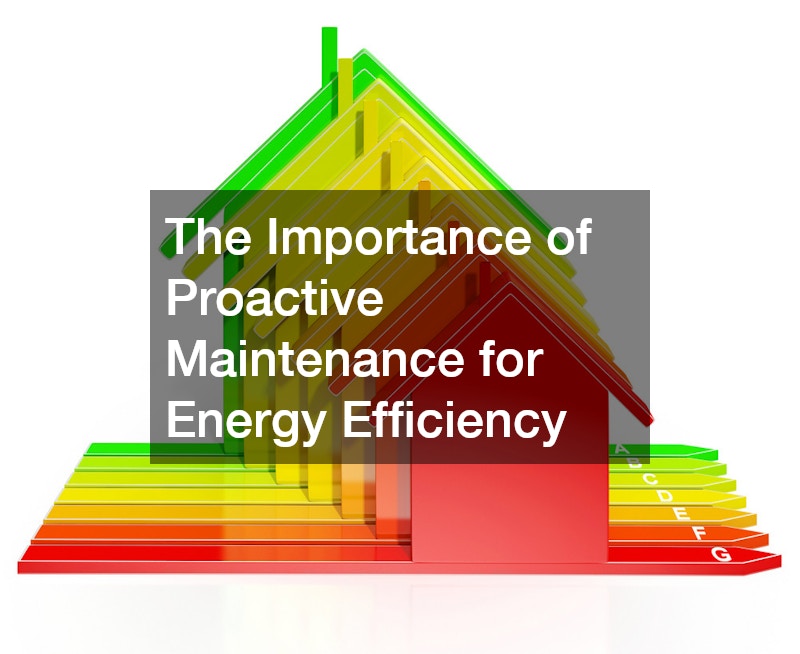
Rising utility bills are rarely caused by a single issue; instead, they often result from a complex interplay of hidden inefficiencies spread across multiple systems in the home. These inefficiencies can originate from HVAC systems that are poorly maintained or outdated, insulation that has degraded over time, roofing materials that may be allowing heat or cool air to escape, electrical components that are drawing excess power, and even the daily habits of the household that contribute to energy waste.
For instance, an HVAC system that hasn’t been serviced regularly may have clogged filters, damaged ducts, or malfunctioning thermostats, which can drastically impede its performance. Similarly, insulation that is insufficient or improperly installed can lead to significant heat loss in the winter and heat gain in the summer, forcing heating and cooling systems to work harder to maintain comfortable temperatures. Roofing issues, such as missing shingles or leaks, can exacerbate these problems by allowing outside air to infiltrate, further increasing energy demands.
Day-to-day usage habits also play a critical role in energy consumption. Simple actions, like leaving lights on in unoccupied rooms, running appliances inefficiently, or setting the thermostat too low or too high, can lead to supplemental energy use that contributes to rising bills.
When these small problems accumulate, they can force systems to operate much harder than necessary. Over time, this relentless strain leads to higher energy consumption and, therefore, less predictable and often inflated monthly utility costs.
Conversely, a well-maintained home operates more efficiently across every system. Regular inspections, timely repairs, and routine maintenance — such as changing HVAC filters, sealing windows and doors, and properly insulating walls and attics — ensure that energy flows where it’s needed and reduces the workload on various systems.
By addressing these hidden issues early and maintaining a consistent schedule for upkeep, homeowners can not only create more stable energy usage patterns but can also significantly reduce long-term expenses. In doing so, they foster an environment that is not only more comfortable but also more sustainable, contributing to lower utility bills and a reduced carbon footprint over time.