
Maintaining a reliable and efficient heating system requires more than just turning on your HVAC unit when the temperatures drop. Homeowners and business operators alike benefit from following proven HVAC best practices that not only ensure consistent warmth but also help reduce energy costs and prevent unexpected breakdowns. By understanding these practices, you can optimize the performance of your heating and air systems, avoid expensive repairs, and extend the lifespan of critical equipment such as heat pumps, water heaters, and tankless water heaters.
Regular air conditioning maintenance and timely air conditioning repair are essential components of a well-functioning HVAC system. Even if your primary focus is heating, the same principles apply to ensure the air flow, indoor air quality, and system efficiency remain at their best. Partnering with a reputable local AC repair company or an experienced heating and air technician ensures that your system receives professional attention when needed. In this article, we will explore HVAC best practices that cover service schedules, filter management, temperature settings, and air quality improvements—all designed to keep your home or business comfortable year-round.
How Often Should I Service My HVAC System?
Recommended Maintenance Schedule
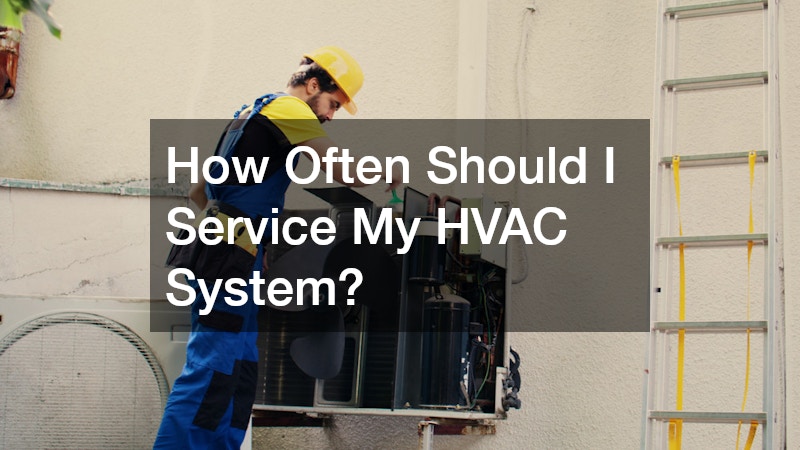
Following a regular maintenance schedule is one of the most important HVAC best practices you can adopt. For most residential systems, it’s recommended to have your HVAC unit inspected and serviced at least twice a year—once in the fall for heating preparation and once in the spring for cooling readiness. Scheduling these inspections ensures that air conditioning maintenance tasks, like cleaning coils and checking refrigerant levels, are completed before major seasonal usage. Heat pumps, which provide both heating and cooling, also benefit from this twice-yearly schedule to optimize their performance and prevent strain on the system.
For those relying on water heaters or tankless water heaters, annual checks are crucial to prevent leaks, sediment buildup, and efficiency loss. Partnering with a trusted ac repair company or local AC repair service ensures that all maintenance tasks are performed thoroughly, keeping your HVAC system running smoothly. Regular servicing not only supports energy efficiency but also reduces the likelihood of sudden malfunctions, helping you avoid costly emergency air conditioning repair calls.
Signs Your System Needs Immediate Attention
Even with routine inspections, certain warning signs indicate that your system requires immediate attention. Unusual noises, uneven heating, or poor airflow are common indicators that something may be wrong. If your heat pumps are cycling on and off more frequently than usual, or if your water heaters show signs of leaks, it’s wise to schedule an inspection promptly.
Other signs include increased energy bills without a change in usage patterns, a thermostat that fails to maintain the set temperature, or visible dirt and dust in the vents despite regular filter changes. Air conditioning maintenance and timely water heater repair are critical in these situations to prevent more severe damage. Local AC repair specialists and heating and air technicians can quickly diagnose issues and provide solutions, ensuring your HVAC system continues to operate efficiently. Recognizing these signs early is a key component of HVAC best practices.
What Are the Benefits of Regular HVAC Maintenance?
Improved Efficiency
Regular maintenance of your heating and air systems directly impacts efficiency, one of the core HVAC best practices. When components are clean, lubricated, and free from obstructions, the system requires less energy to reach desired temperatures. Air conditioning repair or regular checkups by a skilled ac repair company can restore system efficiency and prevent overworking parts, which is especially important during extreme winter or summer months.
Maintaining heat pumps, water heaters, and tankless water heaters ensures they operate at peak performance. Regularly cleaning coils, inspecting ducts, and checking for refrigerant leaks contribute to optimal energy usage. Following these HVAC best practices can result in noticeable savings on utility bills while ensuring your home or business remains comfortable.
Extended Lifespan of Equipment
One of the most compelling reasons to adhere to HVAC best practices is the extended lifespan of your system. Systems that are neglected tend to fail sooner, requiring costly air conditioning repair or complete replacement. By performing regular air conditioning maintenance, changing filters, and addressing minor issues early, you can significantly prolong the life of your equipment.
Heat pumps, tankless water heaters, and standard water heaters are long-term investments. Routine maintenance not only keeps these units running efficiently but also prevents premature wear and tear. Engaging a local AC repair company or heating and air professional to handle these tasks ensures proper care and adherence to manufacturer recommendations, saving money over the long term.
How Should I Change My HVAC Filters?
Types of Filters to Consider
Choosing the right filter is a key HVAC best practice that directly affects system performance and indoor air quality. Common options include fiberglass filters, pleated filters, and HEPA filters. Fiberglass filters are affordable and protect equipment from large debris, but pleated and HEPA filters capture smaller particles, allergens, and dust more effectively. For homes with pets or allergy sufferers, investing in a high-quality filter ensures that air circulating through your heat pumps or air conditioning units is cleaner and healthier.
Regular replacement of filters also prevents unnecessary strain on your system. Dirty or clogged filters can lead to inefficiency, forcing your heating and air system to work harder, which can ultimately lead to breakdowns and increase the need for air conditioning repair services. Choosing the appropriate filter type and maintaining it consistently is an essential step in HVAC best practices.
Step-by-Step Filter Changing Process
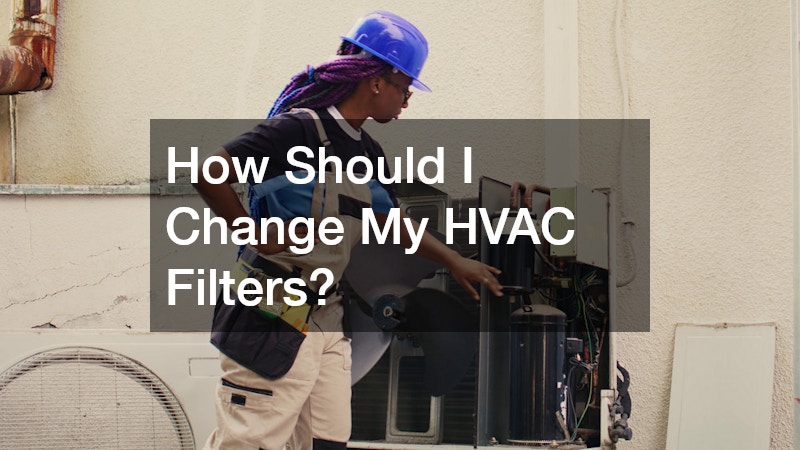
Changing your HVAC filter is straightforward but should be done correctly to maximize its effectiveness. Begin by turning off the system to prevent dust and debris from circulating during replacement. Remove the old filter and inspect it for buildup—if it looks dirty, it’s time for replacement. Select a filter that matches your system’s specifications, insert it in the proper orientation, and ensure it fits snugly without gaps.
Once installed, turn your HVAC system back on and check airflow to confirm proper operation. For heat pumps, air conditioning units, and water heaters, maintaining clean filters reduces strain and helps avoid unnecessary repairs. Following this simple process regularly is a foundational HVAC best practice that ensures both efficiency and improved air quality throughout your home or business.
What Temperature Should I Set My Thermostat In Winter?
Recommended Winter Settings
Setting your thermostat correctly is another crucial HVAC best practice that balances comfort with energy savings. Experts generally recommend maintaining indoor temperatures between 68 and 72 degrees Fahrenheit during the day, and slightly lower at night to conserve energy. Avoid drastic changes in temperature, as constantly adjusting your system can increase wear and tear on your heating and air units, potentially triggering the need for ac repair services.
For homes with heat pumps or older water heaters, maintaining a stable temperature is especially important. A steady indoor climate ensures that your system operates efficiently without overtaxing the equipment. Following these HVAC best practices can reduce energy bills while keeping your home warm and comfortable throughout winter.
Smart Thermostat Options
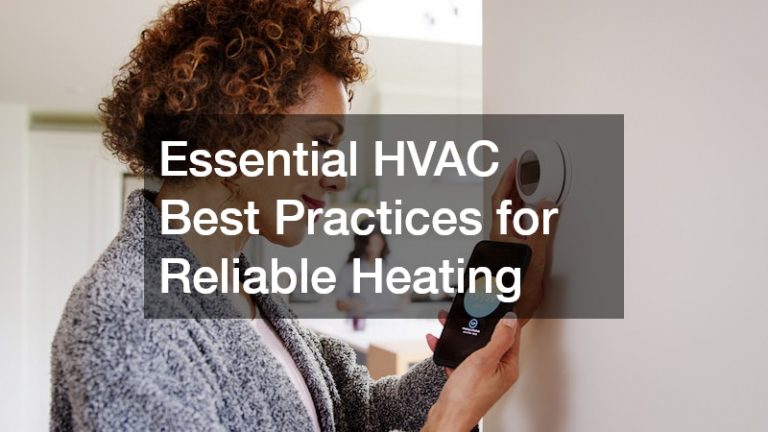
Smart thermostats are a modern solution that enhances HVAC best practices by providing precise control over temperature settings. These devices allow you to program schedules, monitor energy usage, and even adjust settings remotely via smartphone apps. Integrating a smart thermostat with your heating and air system or heat pumps ensures optimal comfort while reducing unnecessary energy consumption.
Additionally, smart thermostats can alert homeowners to potential issues with their system, prompting timely air conditioning maintenance or water heater repair. Using technology in combination with traditional HVAC best practices provides a proactive approach to maintaining efficiency, comfort, and equipment longevity.
How Can I Improve Indoor Air Quality With HVAC?
Importance of Air Quality
Maintaining good indoor air quality is a crucial HVAC best practice that directly affects health and comfort. Poor air quality can aggravate allergies, trigger respiratory issues, and even reduce overall energy and well-being. Your heating and air system plays a central role in circulating clean air, and regular air conditioning maintenance ensures that dust, allergens, and other contaminants are minimized.
Properly functioning heat pumps, air conditioners, and water heaters also contribute indirectly to indoor air quality. Tankless water heaters, for example, reduce moisture-related issues that can lead to mold growth. Partnering with a local AC repair company or skilled heating and air technician ensures that your system operates optimally, filtering air efficiently and maintaining a healthier indoor environment.
Tips for Enhancing Air Quality
There are several steps you can take to improve indoor air quality using your HVAC system. First, replace or clean filters regularly to prevent dust and allergens from circulating. Second, consider adding a whole-house air purifier or upgrading to HEPA filters in areas with high pollution or heavy foot traffic. Heat pumps and air conditioning units benefit from periodic duct cleaning, which removes debris and improves airflow.
Additionally, proper humidity control enhances comfort and reduces the risk of mold growth. Tankless water heaters and traditional water heaters should be checked for leaks or excess moisture, which can contribute to poor air quality. Incorporating these practices into your routine is an effective way to follow HVAC best practices while protecting your family’s health.
What Are Common HVAC Problems and Their Solutions?
Identifying Common Issues
Even well-maintained systems can experience occasional problems. Common HVAC issues include unusual noises, inconsistent heating or cooling, leaks, and reduced airflow. Air conditioning repair may be needed if your system struggles to maintain temperature, while water heater repair may be required for leaks or inconsistent hot water.
Heat pumps may cycle too frequently or fail to deliver adequate heating, and tankless water heaters can experience pressure fluctuations or error codes. Recognizing these problems early allows homeowners to address them before they escalate, which is a key component of HVAC best practices.
Troubleshooting Basic Issues
Some basic issues can be resolved without professional help. For example, checking and replacing clogged filters can restore airflow and improve efficiency. Ensuring vents are unobstructed, confirming thermostat settings, and resetting circuit breakers can also solve minor problems.
However, more complex issues—like refrigerant leaks, malfunctioning heat pumps, or faulty water heaters—require a professional ac repair company or local AC repair service. Following these HVAC best practices, homeowners can distinguish between minor issues and problems that need expert attention, saving time, money, and potential equipment damage.
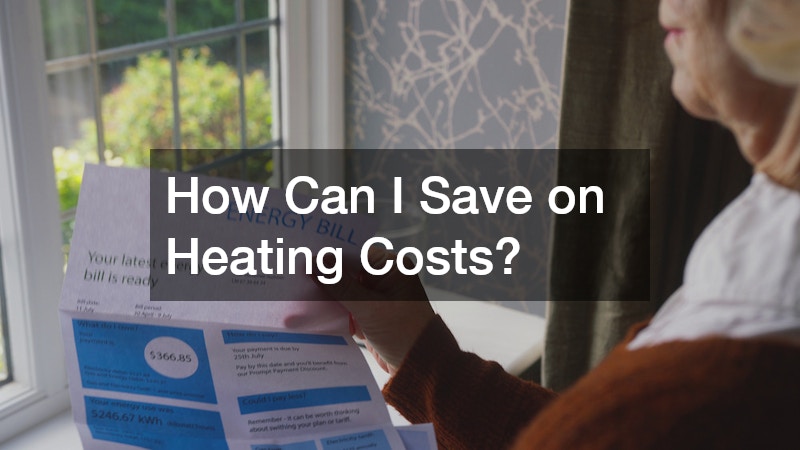
How Can I Save on Heating Costs?
Energy-Efficient Practices
Energy efficiency is a cornerstone of HVAC best practices. Simple habits such as lowering thermostat settings when away from home, sealing drafty windows, and using programmable thermostats can significantly reduce heating costs. Routine air conditioning maintenance ensures your system is operating at peak efficiency, reducing unnecessary energy consumption.
For heat pumps and water heaters, insulating pipes and ducts and scheduling regular inspections by a heating and air professional help maintain efficiency. Local AC repair services can also identify inefficiencies in your system, allowing you to make adjustments before energy waste accumulates.
Investing in Energy-Saving Equipment
Upgrading to energy-efficient HVAC systems is another way to save on heating costs. Modern heat pumps, high-efficiency furnaces, and tankless water heaters offer advanced features that reduce energy use while maintaining comfort. Air conditioning repair may be less frequent with newer, reliable equipment, which also decreases long-term costs.
Investing in a high-efficiency HVAC system aligns with recommended HVAC best practices, providing long-term savings while reducing environmental impact. Partnering with a reputable ac repair company ensures that your installation is performed correctly, maximizing the system’s potential and ensuring optimal performance for years to come.
What Should I Know About HVAC System Upgrades?
Signs It’s Time for an Upgrade
Knowing when to upgrade your HVAC system is essential for maintaining comfort and efficiency. Signs that it may be time include frequent breakdowns, rising energy bills, inconsistent heating or cooling, and aging equipment. Heat pumps, water heaters, and even air conditioning units typically last 10–15 years; beyond that, repairs become more frequent and costly.
Ignoring these signs can lead to more significant issues, including the need for emergency air conditioning repair or water heater repair. Following HVAC best practices means evaluating your system’s age, performance, and repair history to determine the right time for an upgrade.
Choosing the Right System for Your Needs
Selecting the right HVAC system involves assessing your home or business size, insulation, and specific comfort requirements. Heat pumps provide both heating and cooling, making them versatile for many climates, while tankless water heaters offer on-demand hot water with energy savings.
Consulting a local AC repair company or heating and air professional can help you determine which system is most compatible with your property and lifestyle. Following HVAC best practices during installation ensures the system is correctly sized, properly installed, and optimized for maximum efficiency, comfort, and longevity.
Adopting essential HVAC best practices is key to maintaining a reliable and efficient heating system. By prioritizing regular air conditioning maintenance, timely air conditioning repair, and attention to heat pumps and water heaters, homeowners can enjoy enhanced comfort, improved indoor air quality, and reduced energy costs. Following these practices also helps prevent unexpected breakdowns, extends the lifespan of equipment, and promotes long-term savings.
From changing filters and setting thermostats correctly to recognizing when an upgrade or water heater repair is necessary, these steps are practical, actionable measures that create a healthier and more inviting home or business environment. Partnering with a skilled ac repair company or local AC repair service ensures that these practices are implemented correctly and consistently. By embracing HVAC best practices, you take proactive control over your system’s performance, efficiency, and reliability, ultimately elevating both comfort and peace of mind throughout the year.