
Building a More Comfortable Home Starts With Smart Maintenance
A safe and comfortable home depends on more than simply turning up the thermostat when temperatures drop. The systems behind your walls, in your basement, and throughout your living spaces all work together to keep your household running smoothly. When those systems are maintained properly, your home feels warmer, performs better, and uses energy more efficiently.
Many homeowners wait until something stops working before thinking about maintenance. Unfortunately, that approach can lead to expensive repairs, emergency calls, uncomfortable rooms, and higher utility bills. A better strategy is to look for small warning signs early and take care of routine tasks before they turn into major problems.
Improving home comfort does not have to be complicated. With seasonal inspections, better airflow, safe electrical habits, and regular equipment care, you can reduce breakdowns and protect your home year-round. The key is knowing what to check, when to call a professional, and how to build simple habits that support long-term performance.
Schedule Routine Checkups Before Small Issues Grow
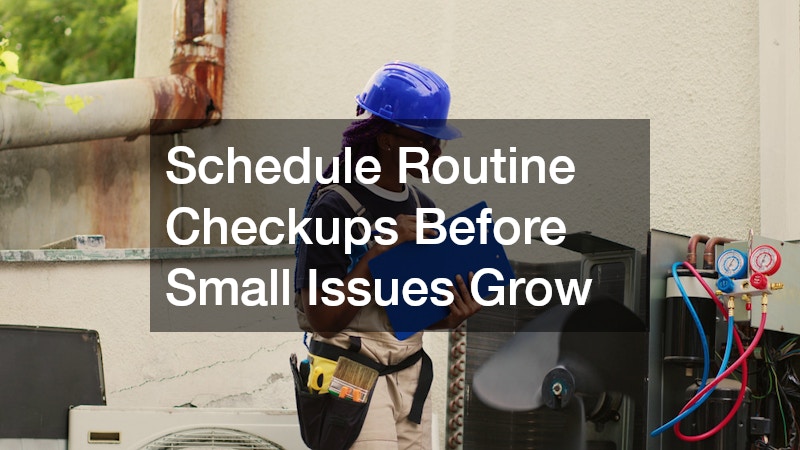
One of the best ways to protect your home is to schedule routine system inspections before problems become obvious. Many mechanical issues begin quietly. A worn part, loose connection, dirty component, or airflow restriction may not cause immediate failure, but it can slowly reduce efficiency and place extra stress on equipment.
Regular HVAC Service helps homeowners identify these concerns early. During a maintenance visit, a technician may inspect electrical connections, test safety controls, clean key components, check airflow, review thermostat operation, and look for signs of wear. These steps can help your system run more reliably and may prevent unexpected breakdowns during extreme weather.
Choosing the right professional also matters. A qualified HVAC contractor can evaluate your home’s equipment, explain what needs attention, and recommend practical solutions based on your system’s age, condition, and usage. Instead of guessing, you get a clearer understanding of what is working well and what may need service soon.
Homeowners should aim to have major comfort systems inspected at least once a year, and sometimes more often if equipment is older or heavily used. Preventive checkups are especially valuable before peak heating or cooling seasons, when demand is highest and emergency appointments may be harder to schedule.
Keep Warm Air Moving Where It Belongs
Heating equipment works best when air can move freely throughout the home. Blocked vents, dirty filters, closed registers, and restricted returns can all make your system work harder than necessary. When airflow is poor, some rooms may feel too cold while others become too warm, leading to uneven comfort and wasted energy.
Start with the basics. Replace or clean filters according to the manufacturer’s recommendations. A clogged filter can reduce airflow, increase strain on equipment, and contribute to higher energy use. If you have pets, allergies, or a dusty home, filters may need attention more often.
Next, check vents and registers. Furniture, rugs, curtains, and storage boxes can block airflow without homeowners realizing it. Keep vents open and clear, even in rooms you do not use often. Closing too many vents can create pressure problems and make the system less efficient.
Pay attention to performance changes. If your home takes longer to warm up, the system cycles frequently, or certain rooms never feel comfortable, it may be time to consider furnace repairs. Professional heating services can help identify whether the issue is related to airflow, parts, thermostat settings, ductwork, or system age.
Improve Efficiency With Better Daily Habits
Your daily habits can have a major impact on home comfort and energy use. Small choices, such as how you set the thermostat or how often you adjust vents, can either support your system or make it work harder.
Use a programmable or smart thermostat when possible. Setting a consistent schedule can reduce energy waste while keeping the home comfortable when people are awake and active. Avoid making large temperature jumps, as this does not heat the home faster and can increase strain on equipment.
Ceiling fans can also help distribute warm air. In colder months, many fans have a reverse setting that gently pushes warm air down from the ceiling. This can make rooms feel more comfortable without dramatically increasing energy use.
Window coverings matter too. Open curtains during sunny winter days to allow natural warmth into the home, then close them at night to reduce heat loss. Check for drafts around windows and doors, and use weatherstripping or caulk where needed.
These simple habits may not replace professional maintenance, but they support better performance. When your home is sealed, airflow is balanced, and temperature settings are consistent, your equipment can operate more effectively.
Protect Your Hot Water Supply With Preventive Care

Hot water is one of the most important comforts in any home. Showers, laundry, dishwashing, cleaning, and daily routines all depend on a reliable supply. Because the system is used so often, maintenance is important for performance, safety, and efficiency.
Homeowners should watch for signs of trouble, such as inconsistent water temperature, rusty water, unusual noises, leaks around the tank, or a noticeable drop in hot water supply. These issues may indicate the need for water heater repair, especially if the unit is older or has not been maintained regularly.
Flushing the tank can help remove sediment that collects over time. Sediment buildup can reduce efficiency, cause popping or rumbling sounds, and make the system work harder. Homeowners should also inspect the area around the unit for moisture, corrosion, or damaged connections.
Sometimes repair is not the best option. If the unit is near the end of its expected lifespan, leaking, or struggling to meet household demand, a professional water heater installer can help determine whether replacement makes more sense. The right replacement may improve energy use, provide better capacity, and reduce the risk of sudden failure.
Address Safety Concerns Before They Become Hazards
Home safety depends heavily on the condition of the electrical system. Flickering lights, warm outlets, buzzing sounds, frequent breaker trips, burning odors, and damaged cords should never be ignored. These warning signs can point to overloaded circuits, loose connections, outdated components, or other issues that require attention.
Many homeowners feel comfortable replacing light bulbs or resetting a breaker, but deeper electrical problems should be handled carefully. Professional electrical repairs are important when symptoms continue, worsen, or involve wiring, panels, outlets, or switches. Attempting complex work without the right training can create serious safety risks.
You can reduce risk by avoiding overloaded outlets and extension cords. Large appliances should be plugged into appropriate outlets, and cords should never be pinched under rugs or furniture. If an outlet feels hot or a breaker trips repeatedly, stop using that circuit until it has been checked.
Older homes may need special attention. Aging wiring, outdated panels, or limited circuit capacity can make it harder to support modern appliances and electronics. A safety inspection can help homeowners understand whether updates are needed to improve reliability and reduce hazards.
Maintain Specialty Systems for Reliable Warmth
Not every home uses the same type of heating equipment. Some households rely on boilers, radiant systems, fuel-based equipment, or other specialized setups. These systems can provide excellent comfort, but they still require regular maintenance to stay safe and efficient.
Routine boiler services may include checking pressure levels, inspecting valves, cleaning components, testing controls, looking for leaks, and making sure the system circulates heat properly. A boiler that is not maintained may lose efficiency, heat unevenly, or become more likely to break down during cold weather.
Homes that rely on delivered fuel should also plan ahead. Scheduling heating oil services before winter helps ensure the home has the fuel it needs when temperatures drop. Waiting too long can create unnecessary stress, especially during periods of high demand or severe weather.
Homeowners should also monitor unusual signs, such as banging pipes, uneven heat, fuel odors, leaks, or unexpected increases in energy use. These symptoms may indicate that the system needs professional attention. With regular care, specialty heating systems can remain dependable for many years.
Keep Basic Maintenance Items Ready at Home
Having a few essential items available can make routine home care easier. While homeowners should never attempt repairs beyond their comfort level, keeping basic heating supplies on hand can help with simple maintenance and reduce downtime during minor issues.
Useful items may include replacement filters, batteries for thermostats and detectors, vent covers, weatherstripping, pipe insulation, and basic cleaning tools. If your system uses specific filters or parts, write down the correct size and model number so you can replace them without guessing.
It is also wise to keep your equipment manuals in one place. Manuals often include maintenance schedules, troubleshooting steps, safety warnings, and warranty information. If a professional visit is needed, having system details available can make the appointment more efficient.
Homeowners should be careful not to confuse basic maintenance with technical repair. Replacing a filter, clearing a vent, or changing thermostat batteries is very different from working on wiring, fuel lines, burners, or internal mechanical components. When in doubt, call a trained professional.
Create a Seasonal Plan You Can Actually Follow

A maintenance plan is easier to follow when tasks are divided by season. Instead of trying to remember everything at once, create a simple calendar that keeps your home on track throughout the year.
In spring, focus on recovery from winter. Inspect equipment, clean vents, replace filters, check for water damage, and review energy bills for unusual changes. This is also a good time to schedule inspections before seasonal demand increases.
In summer, think ahead. Even if heating is not on your mind, warmer months are a good time to repair drafts, improve insulation, organize utility areas, and plan larger upgrades. Taking care of these tasks before colder weather arrives can prevent last-minute stress.
In fall, prepare the home for heavier use. Test the thermostat, replace filters, clear vents, check smoke and carbon monoxide detectors, and schedule professional maintenance if needed. Walk through the home and look for drafts around doors, windows, and attic access points.
Monitor your system’s performance throughout the winter to avoid being stuck with a cold house. Listen for unusual noises, watch for uneven temperatures, check utility bills, and respond quickly to warning signs. A simple seasonal routine can help you stay ahead of problems and keep your home more comfortable.
Know When to Call a Professional
DIY maintenance can be helpful, but it has limits. Homeowners can change filters, clear vents, clean around equipment, test detectors, and monitor performance. However, many home systems involve electricity, fuel, pressure, heat, or water, which means professional help is often the safest option.
Call for help when a problem keeps returning, affects safety, or involves equipment you do not fully understand. Warning signs such as burning smells, leaks, loud noises, system shutdowns, repeated breaker trips, and sudden performance changes should be taken seriously.
Professional service can also save money over time. A trained technician can often identify the real cause of a problem instead of treating only the symptom. That can prevent repeat issues, unnecessary part replacements, and avoidable damage.
It is also smart to build a relationship with trusted local professionals before an emergency happens. Knowing who to call can make stressful situations easier and help you get timely service when your home needs attention.
A Better Home Starts With Consistent Care

Keeping your home safe, warm, and efficient is an ongoing process that requires commitment, not simply a one-time project. The most effective approach combines routine inspections, smart daily habits, seasonal planning, and quick action when warning signs appear.
Small tasks can make a big difference. Replacing filters, clearing vents, sealing drafts, checking equipment, monitoring hot water, and paying attention to unusual sounds or smells all help protect your home. These habits also make it easier to catch issues before they become expensive emergencies.
By taking a proactive approach, homeowners can improve comfort, reduce energy waste, and support a safer living environment. A well-maintained home is easier to enjoy, easier to manage, and better prepared for every season.