
Heating and cooling systems work hard throughout the year, yet many homeowners do not think about them until something goes wrong. A sudden breakdown during extreme weather can create discomfort, disrupt routines, and lead to expensive emergency repairs. Fortunately, many common problems can be prevented through routine maintenance, careful observation, and timely professional service.
Preventive care is not limited to changing a filter once or twice a year. Reliable performance depends on several connected parts of the home, including equipment, ductwork, thermostats, insulation, electrical components, and fuel systems. When one area is neglected, the entire system may work harder than necessary. This can increase energy use, shorten equipment life, and create uneven temperatures.
Homeowners can reduce these risks by creating a seasonal maintenance routine and responding quickly to early warning signs. Simple tasks such as keeping vents clear, monitoring energy bills, and inspecting outdoor equipment can reveal small concerns before they become major failures. Professional inspections are also essential because trained technicians can identify internal wear, safety problems, and performance issues that may not be visible.
The following steps explain how to prevent common heating and cooling problems while improving comfort, efficiency, and safety throughout the home.
Schedule Professional Inspections Before Peak Seasons
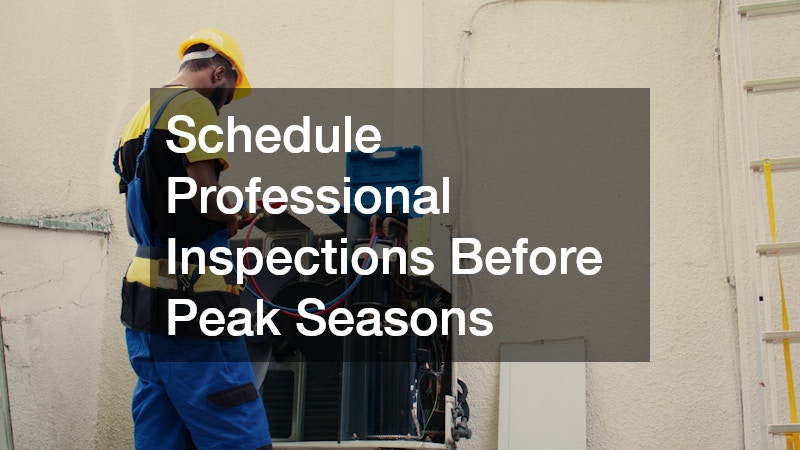
The best time to prepare equipment is before it is needed most. Cooling systems should be inspected in spring, while heating equipment should be checked in early fall. Scheduling service before peak demand gives homeowners time to address worn parts, airflow problems, and safety concerns without facing the pressure of an emergency breakdown.
An experienced HVAC contractor typically examines electrical connections, motors, coils, refrigerant levels, condensate drains, thermostats, and system controls. Heating equipment may also require burner inspections, combustion testing, heat exchanger evaluation, and ventilation checks. These tasks go beyond basic cleaning and help confirm that the system is operating safely and efficiently.
A professional Heating service may uncover loose connections, damaged belts, weak capacitors, or dirty components before they cause a failure. Small repairs completed during a routine visit are often easier to manage than replacing a damaged motor, compressor, or control board after the system stops working.
Homeowners should keep detailed maintenance records, including service dates, repairs, replaced parts, and technician recommendations. These records make it easier to track recurring issues and may be useful when evaluating whether older equipment should be repaired or replaced. Documentation may also help homeowners meet warranty requirements, since some manufacturers expect proof of regular professional maintenance.
It is helpful to schedule future appointments before the technician leaves. This reduces the chance of forgetting seasonal service and may provide better appointment availability.
Replace Filters and Keep Airflow Unobstructed
Restricted airflow is one of the most common causes of system strain. A dirty filter makes it harder for air to move through the equipment, forcing fans and motors to run longer. This can increase utility bills, reduce comfort, and contribute to overheating or frozen coils.
Homeowners should inspect filters monthly, especially during periods of heavy use. Replacement frequency depends on the filter type, household size, system usage, and indoor conditions. Homes with pets, smokers, allergies, or ongoing renovation work may require more frequent changes.
Routine ac service often includes checking airflow, filter condition, blower performance, and temperature differences between supply and return air. These measurements can reveal whether a simple filter change is enough or whether the system has a larger problem.
Supply registers and return vents should remain open and unobstructed. Furniture, curtains, rugs, and storage boxes can reduce circulation and create hot or cold spots. Homeowners should also vacuum dust from vent covers and avoid closing too many registers in unused rooms. Closing vents may increase pressure in the duct system and cause air leakage.
Weak airflow can also result from duct damage, blower problems, frozen coils, or dirty evaporator components. If air output remains low after changing the filter and clearing vents, professional HVAC repair may be necessary. Delaying service may allow the system to operate under excessive strain and damage additional components.
Homeowners should use the filter size and efficiency rating recommended for their equipment. A filter that is too restrictive may reduce airflow even when it is clean.
Protect Outdoor Equipment From Debris and Damage
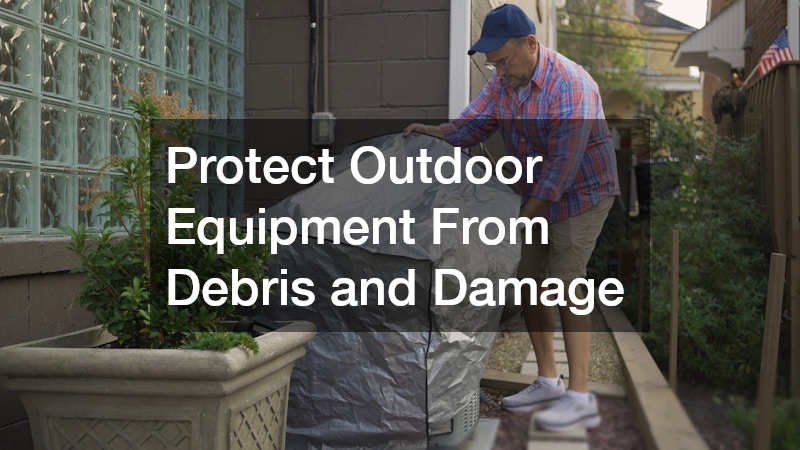
Outdoor equipment needs open space to release or absorb heat effectively. Leaves, weeds, grass clippings, dirt, and branches can block airflow around the unit and reduce performance. Debris buildup may also trap moisture and contribute to corrosion.
Homeowners should maintain at least several feet of clear space around outdoor equipment. Shrubs should be trimmed back, and nearby plants should not grow into the cabinet. After mowing, grass clippings should be directed away from the unit.
The exterior can be gently rinsed with a garden hose after the power is turned off. High-pressure washing should be avoided because it can bend delicate fins or force water into electrical components. Homeowners should never remove access panels or attempt internal cleaning unless they are properly trained.
Signs that air conditioning repair may be needed include unusual rattling, grinding, hissing, ice buildup, warm air, leaking fluid, or frequent cycling. Damaged fins, refrigerant line problems, and electrical failures require professional attention.
A heat pump service appointment is especially important because heat pumps operate during both summer and winter. Year-round use can cause faster wear than equipment that runs during only one season. Technicians should inspect reversing valves, defrost controls, refrigerant levels, and electrical components.
Homeowners should avoid wrapping outdoor units tightly during winter. Covers that block ventilation can trap moisture and encourage rust. If protection is needed, a top cover that allows airflow is usually safer than a fully enclosed cover.
Maintain Furnaces and Fuel Systems Safely
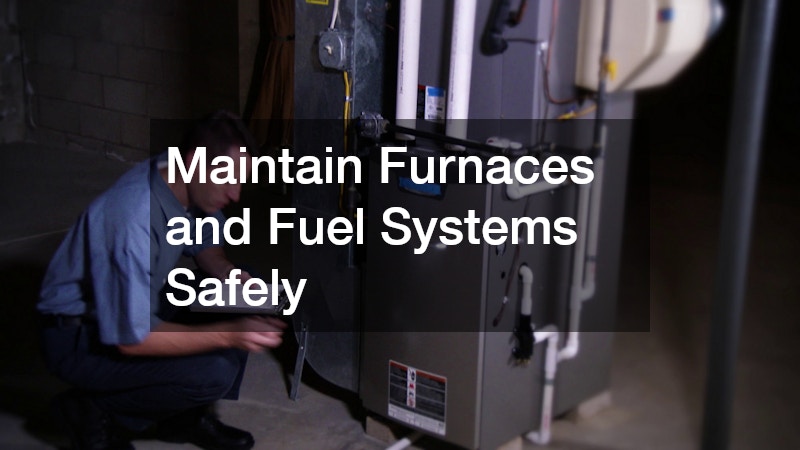
Heating equipment that burns fuel requires careful maintenance because mechanical problems can create fire, combustion, or carbon monoxide risks. Annual inspections should include burner cleaning, ignition testing, ventilation checks, and safety control evaluation.
Warning signs include delayed ignition, repeated clicking, soot, unusual odors, yellow burner flames, short cycling, and inconsistent heat. These symptoms should not be ignored. Professional furnace repair services can identify whether the problem involves the burner, blower, thermostat, flame sensor, heat exchanger, or another component.
Carbon monoxide detectors should be installed on every level of the home and near sleeping areas. Batteries should be tested regularly, and detectors should be replaced according to manufacturer instructions. If an alarm sounds, everyone should leave the home immediately and contact emergency services from a safe location.
Homes that use heating oil should monitor tank levels before cold weather arrives. Running out of fuel may introduce air into the lines and prevent the system from restarting properly. Tanks should also be inspected for corrosion, leaks, damaged fittings, and unstable supports.
The area around a furnace or boiler should remain clear. Paint, gasoline, paper, cleaning products, and other combustible materials should never be stored nearby. Air intake openings and vents should not be blocked.
Homeowners should not attempt to repair burners, fuel lines, ignition systems, or heat exchangers themselves. Improper work may create dangerous conditions even if the equipment appears to operate normally afterward.
Address Electrical Warning Signs Early
Heating and cooling equipment depends on safe, reliable electrical power. Motors, thermostats, capacitors, circuit boards, relays, and safety switches can all fail when wiring is damaged or circuits are overloaded.
Warning signs include flickering lights, burning smells, buzzing sounds, warm outlets, scorched wiring, or breakers that trip repeatedly. A breaker should not be reset over and over without identifying the cause. Repeated trips may indicate a short circuit, failing motor, damaged wiring, or an overloaded circuit.
A residential electrician can inspect the panel, wiring, disconnects, grounding, and circuit capacity. This is especially important in older homes where electrical systems may not be designed for modern equipment. Upgrading a heating or cooling unit without evaluating the electrical supply can lead to poor performance or safety concerns.
Some problems that appear mechanical may actually be electrical. A system that starts intermittently, shuts off unexpectedly, or fails to respond to the thermostat may have a faulty relay, loose connection, damaged control board, or weak capacitor.
When Heating repair is needed, the technician should determine whether the issue originates in the equipment or the electrical supply. In some cases, both specialists may be required. Replacing mechanical parts without correcting an electrical problem may lead to repeat failures.
Homeowners should never handle exposed wiring or bypass safety switches. The system should be turned off if there is a burning odor, visible sparking, or unusual electrical noise.
Use Thermostats Correctly and Avoid Excessive System Strain
A thermostat controls when the system operates, but incorrect use can increase energy consumption and equipment wear. Setting the temperature far above or below the desired level does not heat or cool the home faster. It only causes the system to run longer.
Homeowners should choose realistic settings and avoid frequent adjustments. Large temperature swings can increase cycling and make it harder to maintain consistent comfort. Programmable or smart thermostats allow the system to follow a schedule based on sleeping, working, and occupancy patterns.
The thermostat should be located away from windows, direct sunlight, kitchens, supply vents, and exterior doors. Heat or drafts from these areas can create inaccurate readings and cause the equipment to run unnecessarily.
Batteries should be checked at the beginning of each season. Homeowners should also review programmed schedules after power outages, daylight saving time changes, or extended travel. Incorrect schedules are a common reason for unexpected temperature changes.
If rooms remain uncomfortable despite proper thermostat settings, the cause may involve duct leakage, insulation, equipment sizing, or airflow imbalance. A thermostat cannot correct a system that is too large, too small, or poorly distributed.
Smart thermostats can provide useful energy reports and alerts, but they should be installed correctly. Some systems require specific wiring or control compatibility.
Inspect Ductwork, Insulation, and Home Sealing
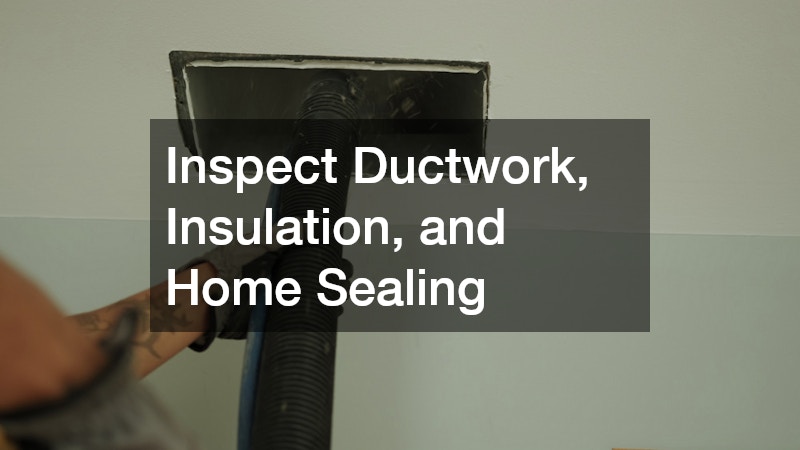
Conditioned air can be lost before it reaches living spaces if ducts are disconnected, crushed, damaged, or poorly sealed. Leaky ductwork may increase energy bills, reduce airflow, and create uneven temperatures between rooms.
Homeowners can visually inspect accessible ducts in attics, crawl spaces, basements, and utility areas. They should look for gaps, torn insulation, loose connections, and damaged sections. Ducts should be sealed with approved mastic or foil-backed tape rather than ordinary cloth duct tape, which can deteriorate over time.
Insulation also plays a major role in system performance. Poor attic insulation allows heat to enter during summer and escape during winter. This forces equipment to operate longer and may make upper floors especially difficult to control.
Weatherstripping around doors and caulk around windows can reduce drafts. Homeowners should also inspect attic access panels, plumbing penetrations, recessed lights, and utility openings for air leakage.
An energy audit can help identify hidden problems through blower door testing, thermal imaging, and insulation evaluation. This is useful when energy bills remain high even though the equipment appears to be operating correctly.
Air sealing should be completed carefully. Homes still need safe ventilation, especially when fuel-burning appliances are present. Major sealing projects may require professional guidance to avoid moisture buildup or combustion issues.
Make Preventive Care Part of Routine Homeownership
Reliable indoor comfort depends on regular attention, not emergency reactions. Homeowners who inspect equipment, maintain airflow, respond to warning signs, and schedule seasonal service are less likely to face sudden breakdowns during extreme temperatures.
Many preventive tasks are simple, but they can have a meaningful effect on performance. Replacing filters, clearing vents, checking outdoor equipment, and monitoring utility use can reveal issues early. Professional inspections provide an additional layer of protection by identifying hidden wear, electrical concerns, combustion problems, and internal damage.
The home itself also plays an important role. Leaky ducts, weak insulation, poor sealing, and incorrect thermostat use can force equipment to work harder even when the system is functioning properly. Addressing these issues can improve comfort while reducing unnecessary strain.
A clear maintenance schedule helps homeowners stay organized and make better repair decisions. By combining monthly checks with seasonal professional care, it is possible to improve efficiency, extend equipment life, and maintain safer indoor conditions.
Preventing problems is usually easier and less disruptive than responding to a complete system failure. With consistent care and timely attention, homeowners can keep their homes comfortable throughout every season.