
Why Long-Term System Care Matters
A heating and cooling system is one of the most important comfort investments in any home or commercial property. It works through hot summers, cold winters, damp weather, dry air, and changing seasonal demands. When it is cared for properly, it can operate more efficiently, last longer, and provide more consistent comfort throughout the year. When it is ignored, small problems can turn into expensive breakdowns that shorten the life of the equipment.
Extending the life of a system does not require complicated work from the property owner. In many cases, it comes down to consistent habits, timely inspections, clean components, and knowing when to call a trained professional. A system that receives routine care has a better chance of avoiding strain, overheating, poor airflow, frozen coils, worn parts, and surprise failures.
The following steps explain how to protect heating and cooling equipment with practical maintenance habits. Each section focuses on actions that help reduce wear, improve performance, and support long-term reliability.
Replace Filters and Keep Airflow Unrestricted
Airflow is one of the simplest parts of system care, but it is also one of the easiest to overlook. A clogged filter forces equipment to work harder than it should. When air cannot move freely, the system may run longer cycles, struggle to reach the set temperature, and use more energy. Over time, that extra strain can wear down motors, fans, coils, and other internal components.
Most standard filters should be checked every month and replaced every one to three months, depending on the property, system use, indoor air quality, pets, and household activity. Homes with pets, smokers, allergies, or heavy dust may need more frequent filter changes. Commercial spaces or high-use systems may also require a stricter schedule.
Blocked vents and registers can create similar problems. Furniture, rugs, curtains, boxes, and other items should not cover supply or return vents. Outdoor units also need open space around them. Leaves, grass clippings, branches, weeds, and debris can restrict airflow and make the system less efficient. Keeping the area around the outdoor unit clear helps the equipment release heat properly.
Airflow problems can sometimes point to deeper issues. Weak airflow, hot and cold spots, frequent cycling, or rising utility bills may mean the system needs HVAC repair. If the cooling system runs but does not cool properly, or if the unit freezes up repeatedly, air conditioning repair may be needed before the problem causes more damage.
Schedule Professional Maintenance Before Peak Seasons
Seasonal maintenance is one of the most effective ways to extend equipment life. The best time to schedule service is usually before the system enters its busiest season. Cooling equipment should be checked in spring before summer heat arrives. Heating equipment should be checked in fall before colder weather begins. This timing gives technicians a chance to find minor problems before the system is under heavy demand.
A qualified HVAC contractor can inspect the equipment, test electrical components, check refrigerant levels where applicable, clean important parts, inspect safety controls, review thermostat operation, and look for signs of wear. These inspections are not just about fixing current problems. They are about preventing future ones.
Many HVAC companies offer maintenance agreements that include regular inspections, cleaning, priority scheduling, and service reminders. These agreements can be helpful for property owners who do not want to track every maintenance task on their own. They also create a record of system care, which may be useful for warranty questions or future equipment decisions.
Professional maintenance can catch problems that are not obvious from the outside. A worn capacitor, loose wire, dirty coil, weak blower motor, or clogged drain line may not seem urgent at first, but any of these issues can lead to larger failures. Regular service helps keep the system operating within normal conditions, which reduces stress on key components.
Skipping maintenance may save time in the short term, but it often leads to higher repair costs later. A system that is never inspected is more likely to fail during extreme weather, when technicians are busiest and comfort matters most. Preventive service gives the equipment a better chance of performing well when it is needed.
Monitor Heating Equipment Before Problems Escalate
Heating equipment should be watched closely, especially as the weather begins to cool. A system that sits unused for part of the year may develop issues before it is turned back on. Dust buildup, worn parts, ignition problems, leaks, pressure concerns, and control issues can all affect performance.
Unusual noises are one of the most common warning signs. Banging, popping, rumbling, whistling, or grinding sounds should not be ignored. These sounds may indicate pressure problems, trapped air, loose components, burner issues, or mechanical wear. Uneven heating, frequent cycling, delayed startup, or a sudden increase in energy use may also signal trouble.
For properties with boilers, annual boiler service is especially important. A technician can inspect pressure levels, valves, pumps, piping, controls, and safety features. Routine service helps confirm that the system is operating safely and efficiently. It can also help prevent small issues from becoming emergency failures during cold weather.
There are times when boiler repairs make more sense than replacement, especially if the system is still within a reasonable service life and the issue is limited to a specific part. However, repeated problems, major leaks, poor efficiency, or difficulty finding replacement parts may indicate that a larger decision is ahead. A professional inspection can help determine whether repair or replacement is the more practical option.
Heating equipment often gives warning signs before it fails completely. Paying attention to changes in sound, smell, comfort, and energy use can help property owners act early. The sooner a problem is identified, the more options are usually available.
Maintain Cooling Equipment for Consistent Performance
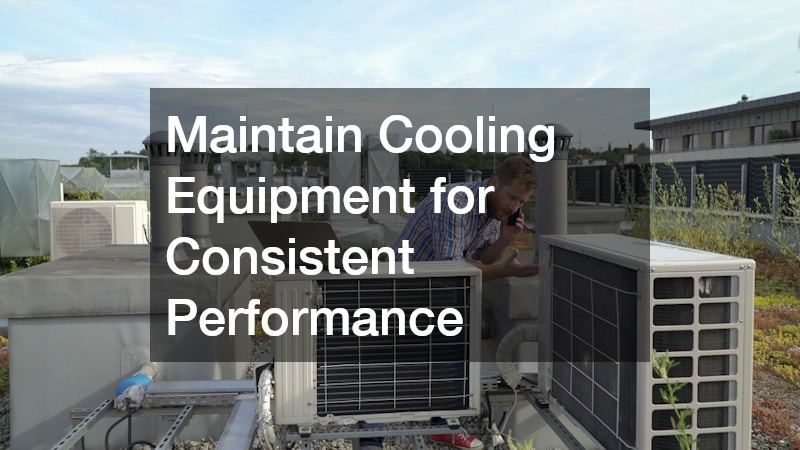
Cooling equipment works hard during warm weather. Long run times, high humidity, dirty coils, low refrigerant, and poor airflow can all shorten system life. Keeping cooling equipment in good condition helps it maintain comfort without placing unnecessary strain on the compressor and other expensive components.
The outdoor condenser coil should be kept clean and clear. Dirt, pollen, leaves, and grass can build up on the coil and reduce heat transfer. When heat cannot leave the system efficiently, the unit may work harder and run longer. This can increase energy use and wear down parts faster.
The indoor evaporator coil also needs proper airflow. A dirty filter, blocked return, or blower problem can cause the coil to get too cold and freeze. Ice on the system is a warning sign that something is wrong. Turning the system off and calling a professional is usually safer than continuing to run it.
Proper air conditioner installation plays a major role in long-term performance. A system that is too large may cool quickly but cycle too often, which can increase wear and reduce humidity control. A system that is too small may run constantly and struggle to keep up. Correct sizing, duct evaluation, refrigerant charging, drainage, and airflow setup all affect how long the equipment lasts.
Eventually, older cooling equipment may no longer be worth repeated repairs. Frequent breakdowns, rising energy bills, uneven cooling, and poor humidity control can all point toward ac replacement. Replacement is not always the first answer, but planning ahead can help avoid emergency decisions during peak summer heat.
Care for Heat Pumps Throughout the Year
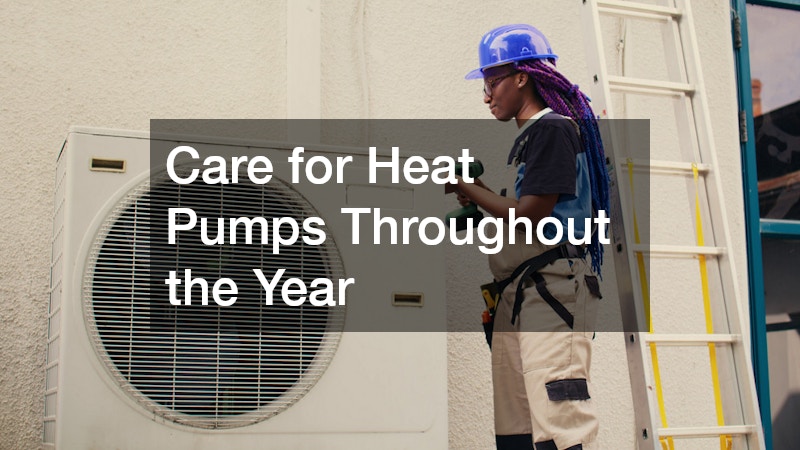
Some systems provide both heating and cooling, which means they work during most of the year. This makes consistent maintenance even more important. A heat pump may run in summer to cool the property and in winter to provide heat. Because it has fewer off-season breaks, small problems can develop faster if the system is not inspected regularly.
Outdoor units should stay clear in every season. In warm months, grass, leaves, and weeds can restrict airflow. In colder months, snow, ice, and debris can interfere with performance. The unit should have enough open space around it so air can move freely. Property owners should avoid stacking items near the unit or allowing landscaping to grow too close.
Thermostat settings also matter. Constantly switching between heating and cooling, setting extreme temperatures, or using emergency heat unnecessarily can increase energy use and strain the system. A steady, reasonable temperature setting can help the equipment run more smoothly.
In some commercial or specialized settings, cooling water services may be part of a broader system maintenance plan. These services help manage water quality, scale, corrosion, and biological growth in systems that rely on water for heat transfer. Poor water treatment can reduce efficiency, damage equipment, and shorten the life of connected components.
Year-round systems benefit from scheduled inspections, clean coils, clear airflow, proper refrigerant levels, and well-functioning controls. Because these systems often work more months of the year than traditional heating or cooling equipment, regular care is key to protecting performance and lifespan.
Address Small Issues Before They Become Expensive Repairs
Many major system failures begin as small warning signs. A faint noise, slight temperature difference, small leak, or occasional delay may not seem urgent, but these issues can grow over time. The longer a system runs with a problem, the more stress it places on other parts.
Unusual odors should always be taken seriously. A burning smell may indicate electrical trouble, overheating, or dust burning off after a long period of inactivity. A musty smell may point to moisture, drainage, or indoor air quality concerns. Gas odors require immediate attention and should be handled as an urgent safety issue.
Rising utility bills can also signal that equipment is losing efficiency. If energy use increases without a clear reason, the system may be running longer than necessary. Dirty coils, poor airflow, failing motors, refrigerant problems, or control issues can all make equipment less efficient.
Timely HVAC repair can help prevent one failing part from damaging another. For example, a weak capacitor can affect motor performance. A clogged drain can cause water damage or shut the system down. Low refrigerant can strain the compressor. Addressing these issues early is usually less disruptive than waiting for a complete breakdown.
The same is true for heating equipment. Delaying boiler repairs may lead to leaks, pressure problems, poor heating, or safety concerns. A maintenance checklist can help property owners track warning signs. Useful items include filter changes, thermostat checks, vent inspections, outdoor unit clearing, unusual noises, visible leaks, and service dates.
Build Long-Term Habits That Protect Your Investment
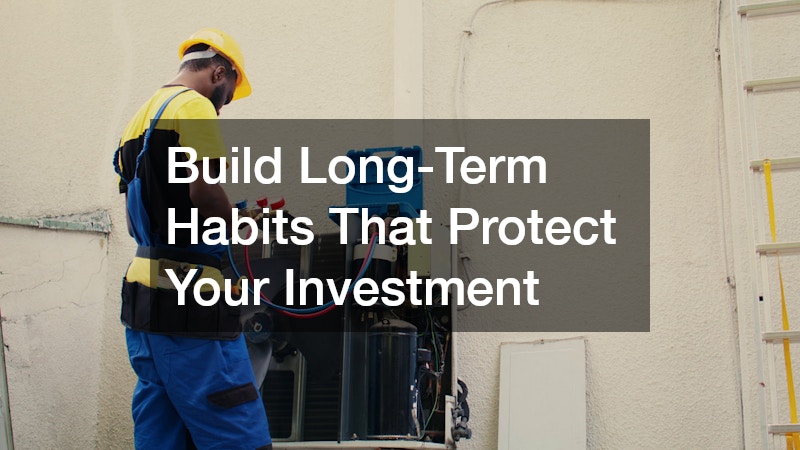
Good system care is easier when it becomes routine. Instead of waiting for problems, property owners can create simple habits that keep maintenance on schedule. This includes changing filters, checking vents, clearing outdoor units, reviewing energy bills, and scheduling seasonal inspections.
Keeping records is especially helpful. Save invoices, inspection notes, repair details, warranty information, model numbers, and installation dates. These records help technicians understand the system history and can make future recommendations more accurate. They also help property owners see whether repairs are becoming more frequent over time.
Following manufacturer recommendations is another important habit. Equipment manuals often include maintenance schedules, filter guidance, clearance requirements, and operating instructions. Ignoring these recommendations can reduce efficiency and may affect warranty coverage. When in doubt, an HVAC contractor can explain which tasks are safe for the property owner and which should be handled by a professional.
It is also important to know the limits of do-it-yourself maintenance. Filter replacement, basic cleaning around outdoor units, and thermostat checks are usually manageable for many property owners. Electrical work, refrigerant issues, internal component repairs, combustion concerns, and repeated system failures should be handled by trained professionals. Attempting complex repairs without proper tools or experience can create safety risks and lead to more damage.
Planning ahead for future needs is part of long-term care. If an aging cooling system has already needed repeated air conditioning repair, it may be wise to start budgeting for replacement before the unit fails completely. A planned upgrade is usually less stressful than an emergency replacement during extreme weather.
Keeping Comfort Reliable for Years Ahead
Extending the life of a heating and cooling system requires steady attention, not guesswork. Clean filters, clear airflow, seasonal inspections, prompt repairs, and accurate records all help reduce strain and support better performance. Small habits can make a large difference over the life of the equipment.
No system lasts forever, but consistent care can help property owners get the most value from their investment. By watching for warning signs, scheduling service before peak seasons, and addressing problems early, homes and businesses can stay more comfortable while avoiding many preventable breakdowns.