

When you think about the concept of a modern sanctuary, the invisible shield of a perfectly regulated indoor climate is often the unsung hero. From the sweltering heat of mid-July to the freezing depths of late January, your home relies on a complex, interwoven network of machinery to maintain a stable, comfortable, and healthy environment. For most homeowners, this intricate machinery remains entirely out of sight and out of mind until the exact moment it fails. Unfortunately, waiting for a total system breakdown usually results in uncomfortable nights, emergency service premiums, and significant disruptions to your daily routine. Understanding the fundamentals of your climate control infrastructure is not about becoming a licensed technician; it is about becoming an empowered, proactive homeowner.
When you grasp the basic mechanics of how your indoor environment is heated, cooled, and ventilated, you can dramatically increase the lifespan of your equipment, lower your monthly utility bills, and improve the overall air quality your family breathes every single day. This comprehensive guide will walk you through the anatomy of your home comfort infrastructure, detail the early warning signs of mechanical stress, explain the financial logic behind upgrading aging machinery, and provide you with actionable maintenance routines. By the time you finish reading, you will possess a foundational knowledge that will allow you to make educated decisions, communicate effectively with service professionals, and protect one of the most substantial financial investments within your property. The journey to mastering your indoor environment begins with understanding exactly what is happening behind your walls and beneath your floors.
Deconstructing Your Home Comfort System
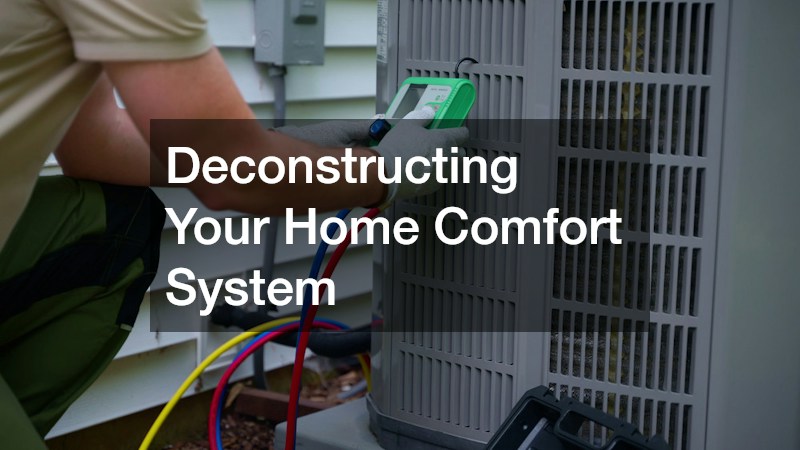
To truly manage your indoor environment, you must first understand the fundamental components that make up the entire infrastructure. The acronym used for this machinery stands for Heating, Ventilation, and Air Conditioning, and these three pillars work together in a delicate, continuous balance. The first pillar, the heating element, typically consists of a forced-air gas unit, an electric air handler, or an electric heat pump. These machines are responsible for generating warmth, either through the combustion of fossil fuels like natural gas and propane or through electrical resistance and heat transfer. The generated warmth is then pushed through a heat exchanger and distributed throughout your home.
The second pillar, the cooling element, operates on the principles of thermodynamics and phase change. It does not actually generate cold air; instead, it absorbs thermal energy from inside your home and pumps it outside. This is achieved using a chemical refrigerant that travels between an indoor evaporator coil and an outdoor condenser unit. The third pillar, ventilation, is the circulatory system of your home. It includes the complex network of sheet metal or flexible ductwork, the supply registers that push treated air into your rooms, and the return grilles that pull stale air back into the system to be conditioned again.
Maintaining this interconnected web requires a reliable source for replacement components, such as high-efficiency pleated filters, specialized cleaning solvents, and thermostat batteries. You can typically purchase these necessary hvac supplies from local hardware stores or specialized home improvement centers. However, when it comes to understanding the complex interactions between your ductwork and your primary machinery, consulting with an established HVAC company can provide you with deep insights into how your specific architecture affects airflow and system efficiency. Understanding how these three pillars interact allows you to see your home not just as a collection of rooms, but as a living, breathing ecosystem that requires balance to function optimally.
Common Winter Operational Issues to Watch For
When the temperature drops, your home relies heavily on the primary combustion or electrical heat source to keep the interior livable. Because these machines sit idle for many months during the summer, the sudden demand placed upon them in late autumn can often reveal hidden mechanical weaknesses. Recognizing the early warning signs of a failing system can mean the difference between a simple, inexpensive adjustment and a catastrophic breakdown in the middle of a blizzard. One of the most common early indicators of trouble is unusual auditory feedback. If you hear loud banging when the blower motor engages, it could indicate expanding metal or delayed gas ignition. High-pitched squealing usually points to a failing blower motor bearing or a slipping fan belt, while a continuous rhythmic rattling might suggest a loose panel or a deteriorating internal component.
Another frequent problem is short cycling, a condition where the machinery turns on, runs for only a minute or two, and then shuts off before the house reaches the desired temperature. This puts immense strain on the electrical components and wastes a massive amount of fuel. Short cycling is often caused by an overheating heat exchanger, which forces the internal high-limit switch to shut the system down as a safety precaution. This overheating is frequently the result of severe airflow restriction, usually traced back to a homeowner forgetting to replace a clogged air filter.
If you are experiencing inconsistent warmth or your machinery fails to ignite entirely, you will likely need to schedule professional heating repairs to accurately diagnose the sequence of operation. Modern combustion units have incredibly sensitive safety sensors, such as flame sensors and thermocouples, that can become coated in carbon buildup over time. When these sensors fail to detect a pilot flame or an ignitor glow, they preemptively shut off the gas valve to prevent a dangerous buildup of combustible fumes in your basement or attic. Addressing these specific ignition failures through a targeted furnace repair is a delicate process that ensures your family remains safe from potential fire hazards and deadly carbon monoxide exposure.
Navigating Cooling Performance and Summer Troubleshooting
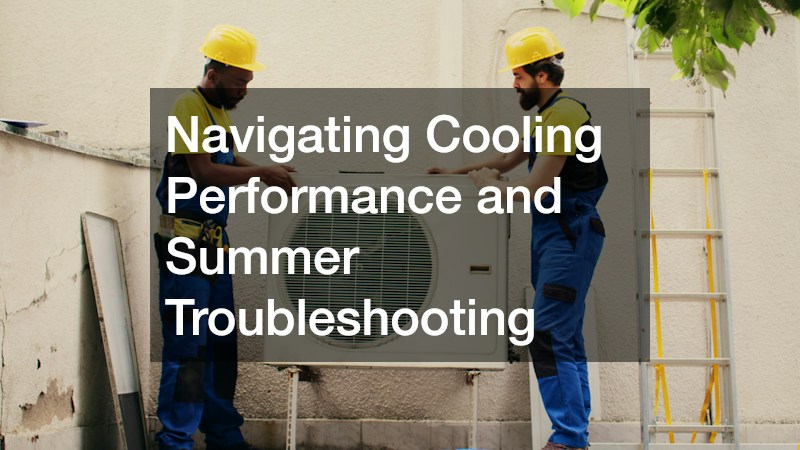
Just as winter brings its own set of mechanical challenges, the brutal heat of summer places an entirely different type of stress on your indoor climate control machinery. The cooling process is highly dependent on precise chemical pressures and unobstructed airflow, making it incredibly sensitive to neglect. One of the most alarming symptoms a homeowner can encounter in the summer is a system that runs continuously but only blows lukewarm air out of the supply registers. This is frequently a sign that the system has lost a portion of its chemical refrigerant due to a microscopic leak in the copper line set or the indoor coil. Because these systems are entirely sealed, they never consume or “use up” refrigerant; a low charge always dictates a leak that must be found and sealed.
Another major issue during the summer months is the freezing of the indoor evaporator coil. You might notice condensation on the outside of your ductwork, a significant reduction in airflow, or even physical blocks of ice forming on the copper pipes connected to your indoor unit. This freezing happens when the refrigerant drops below freezing temperatures because there is not enough warm indoor air passing over the coils to absorb the cold. This can be caused by a severely clogged air filter, collapsed return ductwork, or a failing indoor blower motor. Additionally, as the indoor coil extracts humidity from your home’s air, it produces gallons of condensation. If the primary condensate drain line becomes clogged with algae or dust, that water will back up and overflow, potentially causing thousands of dollars in water damage to your ceilings and floors.
When you encounter electrical anomalies, such as a condenser fan that refuses to spin while the compressor hums loudly, it is time to look into professional air conditioner repair to replace failing capacitors or faulty contactors. These high-voltage electrical components are under immense stress during the hottest days of the year and are statistically the most common parts to fail. Attempting to bypass these safety switches or ignore the warning signs will inevitably lead to compounding mechanical damage, ultimately resulting in much more expensive and invasive ac repairs that could have easily been avoided with early intervention.
Knowing When to Fix vs. Upgrade Your Equipment
Every piece of mechanical equipment has a finite lifespan, and as your home comfort machinery ages, you will eventually face the difficult financial crossroad of deciding whether to continue patching up an old unit or to invest in a completely new one. A common metric used by industry professionals to guide this decision is the 5,000 rule. You multiply the age of your current machinery by the estimated cost of the necessary fix. If the resulting number exceeds 5,000, it is generally considered a poor financial decision to keep the old machinery running. For example, if your system is 12 years old and requires a $500 fix (12 x 500 = 6,000), investing in new machinery is the wiser economic path.
Age is not the only factor; energy efficiency plays a massive role in the long-term cost of ownership. Older cooling systems were built under outdated energy guidelines and might operate at a SEER (Seasonal Energy Efficiency Ratio) of 8 or 10. Modern regulations mandate much higher minimum efficiencies, meaning a new system can often cut your summer electrical consumption by thirty to fifty percent. Furthermore, older systems rely on phased-out refrigerants like R-22, which are no longer manufactured. If an older R-22 system develops a leak, the cost to recharge it can be astronomically high due to the scarcity of the chemical.
When you determine that keeping the old system is no longer viable, prioritizing a full ac replacement is the most logical step to ensure reliable comfort for the next decade. However, the quality of the new equipment is only as good as the technicians who put it together. Proper sizing is absolutely critical; a unit that is too large will cool the house too quickly without removing humidity, leaving you feeling cold and clammy, while a unit that is too small will run endlessly without ever reaching the set temperature. This is why investing in a mathematically calculated, meticulously executed ac installation is paramount, ensuring that the ductwork, the electrical supply, and the chemical pressures are all perfectly calibrated for your home’s specific thermal envelope.
Sourcing Parts, Tools, and Professional Expertise
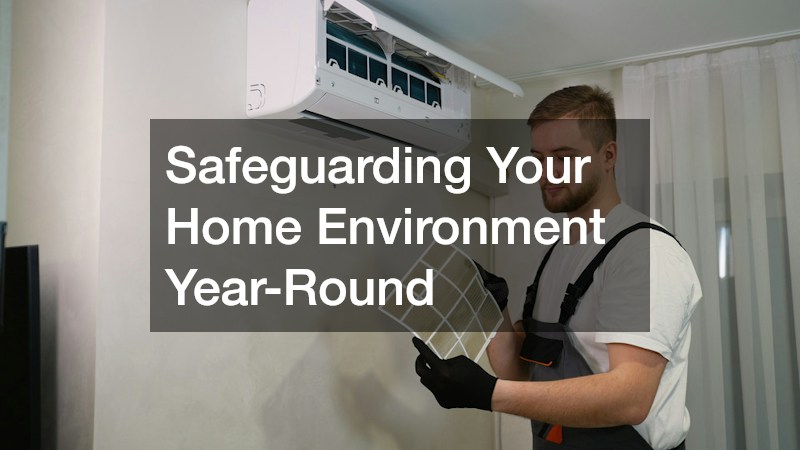
A significant part of being a responsible homeowner is recognizing the strict boundary between simple, beneficial do-it-yourself maintenance and dangerous, highly technical interventions. There are many tasks that you can and should handle on your own to protect your investment. Changing your air filters every thirty to ninety days is the single most important action you can take. Additionally, keeping the outdoor condenser unit free of debris, trimming back bushes to allow for a two-foot clearance, and gently washing the exterior aluminum fins with a standard garden hose are all excellent, safe practices. You can also safely replace the batteries in your thermostat and occasionally pour a quarter cup of white vinegar down your condensate drain line to prevent algae blooms.
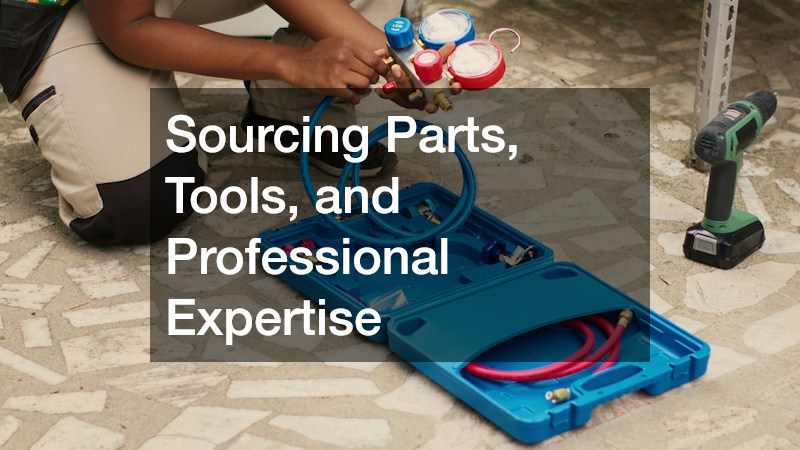
However, the moment a problem involves opening sealed electrical cabinets, handling chemical refrigerants under high pressure, or diagnosing complex sequence-of-operation failures, you must step back. Home comfort systems utilize 240 volts of alternating current, which can be lethal if mishandled. Furthermore, handling refrigerants without proper federal EPA certification is illegal and environmentally hazardous. When sourcing components, it is always best to use Original Equipment Manufacturer (OEM) parts rather than cheap, aftermarket alternatives that might void your warranty or fail prematurely under heavy loads.
When a serious mechanical or electrical breakdown occurs, you need to rely on a licensed and insured HVAC contractor who possesses the necessary certifications and specialized diagnostic tools. When evaluating who to hire, look for technicians who carry NATE (North American Technician Excellence) certification, which guarantees a high level of rigorous, standardized industry knowledge. Establishing a relationship with a reputable service provider before an emergency strikes ensures that when you desperately need an intricate HVAC repair in the middle of a holiday weekend, you already have a trusted professional who is familiar with your specific machinery and ductwork layout.
Long-Term Maintenance for Peak Efficiency
The secret to maximizing the lifespan of your mechanical equipment and minimizing your monthly utility expenses lies in establishing a rigorous, uncompromising long-term maintenance routine. Just like a vehicle requires regular oil changes and tire rotations, your indoor climate infrastructure requires proactive attention to prevent premature degradation. The foundation of this routine should be a bi-annual professional tune-up. In the spring, before the heat of summer arrives, a comprehensive inspection should focus on cleaning the evaporator and condenser coils, measuring the microfarads of the electrical capacitors, testing the contactor for pitting or burn marks, and checking the chemical refrigerant levels to ensure subcooling and superheat calculations are within factory specifications.
In the autumn, before the first freeze, the focus shifts entirely to heating safety and efficiency. This involves visually inspecting the primary heat exchanger for hairline cracks using a specialized camera, testing the sequence of the gas valve and ignitor, cleaning the flame sensor with fine wire mesh, and verifying that the flue pipe is drafting combustion gases completely out of the house. Beyond these professional checks, your daily habits heavily influence the system’s longevity. Keeping all interior doors open allows for balanced return airflow, preventing the blower motor from straining against static pressure. Ensuring that floor and ceiling registers are not blocked by furniture, rugs, or heavy curtains guarantees that the conditioned air can circulate freely.
You can also leverage modern technology to enhance your maintenance efforts. Upgrading to a smart, programmable thermostat allows you to set precise schedules, reducing the workload on your machinery while you are sleeping or away at work. Advanced thermostats can even provide you with detailed energy consumption reports, alert you when it is time to change your air filter, and use geofencing technology to begin conditioning the air only when you are driving home. By combining professional preventative maintenance, smart daily habits, and modern technology, you create an environment where your machinery operates effortlessly, efficiently, and reliably for decades.
Safeguarding Your Home Environment Year-Round
Mastering the fundamentals of your indoor climate control infrastructure transforms you from a passive consumer into an active, informed manager of your property. By understanding the intricate dance between ventilation, thermal generation, and thermodynamic cooling, you gain the ability to spot minor operational hiccups long before they cascade into catastrophic mechanical failures. You now know the critical importance of unhindered airflow, the financial tipping point of the 5,000 rule, and the strict boundaries between safe homeowner maintenance and necessary professional intervention.
Ultimately, your home’s machinery is a massive financial investment that dictates your daily quality of life. Proactive care, regular filter changes, seasonal check-ups, and a foundational understanding of the equipment’s anatomy will ensure that your living spaces remain a comfortable, healthy sanctuary, regardless of the extreme weather conditions raging outside your front door. Stay diligent, listen to your equipment, and prioritize ongoing maintenance to secure your peace of mind all year long.