
Residential heating and cooling represent the largest share of household energy consumption, often accounting for more than half of a home’s total utility expenditure. For decades, traditional climate control relied on burning fossil fuels in heavy furnaces or running energy-intensive single-stage air conditioners. However, recent advancements in HVAC engineering have shifted the focus toward precision energy efficiency, electrification, and intelligent climate automation.
Upgrading your home’s heating and cooling systems is no longer just about replacing a broken unit; it is about creating an integrated thermal environment that lowers utility bills, improves indoor air quality, and reduces environmental impact. By combining modern heat pump technology, intelligent control systems, and proper air distribution, homeowners can achieve unprecedented levels of comfort while optimizing their monthly energy usage.
Transitioning Away from Traditional Combustion Heating
Moving toward modern, low-carbon heating solutions involves transitioning away from fossil-fuel-burning equipment and adopting heat transfer technology. Traditional fuel systems produce heat through combustion, which inherently loses energy through flue venting and exhaust gases. In contrast, modern electric heat pumps move heat from the outdoor air into your living spaces, offering up to three to four times the energy efficiency of standard combustion units.
Key steps for phasing out carbon-heavy heating systems include:
-
Evaluating Fuel Dependence: Assessing the annual operating costs and environmental impact of delivered fuel sources compared to modern electric power.
-
Inspecting Hydronic Loops: Verifying that existing radiator or radiant floor piping is clean, leak-free, and operating at optimal system pressure.
-
Integrating Auxiliary Backup: Determining whether supplementary electric heating strips or dual-fuel arrangements are required for extreme sub-zero weather.
Phasing out delivered heating oil infrastructure frees up storage space and eliminates the risk of indoor fuel spills or tank leaks. For homes relying on existing hydronic baseboard loops, arranging certified boiler repair services ensures that pumps, expansion tanks, and pressure relief valves remain in top operational condition during cold snaps.
Professional Sizing and System Design Principles
Installing energy-efficient climate equipment requires precise technical planning. Simply selecting a high-efficiency system is not enough; if the unit is improperly sized for your home’s square footage, insulation depth, and window orientation, it will fail to deliver promised energy savings. Over-sized equipment cycles on and off rapidly, leading to high humidity levels, uneven room temperatures, and premature component wear.
Core elements of a comprehensive HVAC load assessment include:
-
Manual J Heat Load Calculations: Measuring wall insulation, window solar heat gain, ceiling height, and air infiltration rates to determine exact BTU requirements.
-
Manual D Airflow Design: Designing ductwork diameters and static pressure balances to ensure quiet, uniform air distribution across every room.
-
Zoned Air Control: Configuring variable-speed equipment to heat or cool specific zones independently based on occupancy patterns.
Working with an experienced HVAC contractor guarantees that load calculations are conducted accurately before equipment selection begins. Partnering with a reputable heating and ac company ensures that your new multi-stage or variable-speed system is calibrated to handle seasonal temperature swings without wasting electricity.
Leveraging Intelligent Thermostats and Automated Controls
Smart thermostats serve as the control center for modern energy-efficient climate systems. Unlike traditional manual dials or basic programmable boxes, smart controllers use Wi-Fi connectivity, machine learning algorithms, and occupancy sensors to automatically adjust indoor temperatures based on your household routine and local weather forecasts.
Key features and benefits of modern climate automation include:
-
Geofencing Integration: Utilizing your smartphone’s location data to lower heating or cooling output when you leave the house and restore comfort before you return.
-
Dehumidification Management: Coordinating compressor speeds and fan run-times to remove excess moisture during humid summer months without over-cooling.
-
Utility Rate Optimization: Scheduling high-draw heating and cooling cycles during off-peak electricity hours when utility rates are lowest.
Scheduling routine HVAC services allows technicians to calibrate internal temperature sensors, update system firmware, and inspect low-voltage control wiring. Before mounting sophisticated smart hubs or high-draw heat pump controllers, completing necessary electrical repairs ensures your breaker panel and control circuits can safely handle the electrical demand.
Maintaining Fuel-Fired Backup Systems and Supplemental Heat
In colder climates, hybrid heating systems—which pair an electric heat pump with a high-efficiency gas or propane furnace—offer an ideal balance of energy savings and cold-weather reliability. The system uses the heat pump during mild to moderately cold weather, switching over to the fuel furnace only when extreme freezing temperatures reduce heat pump efficiency.
Essential maintenance protocols for backup heating furnaces include:
-
Cleaning Flame Sensors: Removing carbon deposits from flame rods to prevent intermittent furnace ignition lockouts during winter storms.
-
Inspecting Heat Exchangers: Checking combustion chambers for hairline cracks or corrosion that could allow dangerous carbon monoxide into interior supply air.
-
Clearing Vent Terminals: Keeping exterior intake and exhaust pipes clear of snow drifts, ice, and organic debris to maintain proper combustion airflow.
Booking timely heating furnace repair ensures that your backup combustion system ignites reliably during extreme arctic freezes, preventing frozen plumbing pipes and keeping your home warm when electric heat pumps require assistance.
Modernizing Legacy Cooling Infrastructure
Air conditioning technology has advanced significantly over the past decade. Older air conditioners rely on single-speed compressors that operate at 100% capacity whenever turned on, consuming high amounts of electricity and creating noticeable indoor temperature spikes. Modern cooling platforms utilize inverter-driven, variable-speed compressors that adjust output in tiny increments to match real-time cooling demands.
Signs that your cooling infrastructure requires modernization include:
-
Obsolete Refrigerants: Systems utilizing older R-22 refrigerant face sky-high servicing costs due to phase-out regulations and restricted supply.
-
Frequent Short-Cycling: Compressors turning on and off every few minutes, indicating electrical failures, improper sizing, or failing capacitors.
-
High Seasonal Electricity Bills: Unusually high summer electric bills caused by declining compressor efficiency or fouled condenser fins.
Planning a timely ac replacement allows you to switch to eco-friendly, high-SEER2 cooling equipment that uses modern, non-ozone-depleting refrigerants. Booking comprehensive air conditioning services ensures that condenser coils are thoroughly washed, refrigerant levels are precisely charged, and electrical contacts are tightened for peak summer efficiency.
Optimizing Air Distribution and Ductwork Integrity
A high-efficiency heat pump or air conditioner cannot deliver low energy bills if your air distribution system is leaking conditioned air into unconditioned attics, basements, or crawlspaces. Studies show that the average residential duct system loses up to 30 percent of its supply air through loose joint seams, uninsulated flex ducts, and disconnected trunk lines.
Steps for optimizing indoor air distribution systems include:
-
Mastic Joint Sealing: Coating all duct seams, metal joints, and takeaway collars with thick, fiber-reinforced mastic sealant to eliminate air leaks.
-
Duct Insulation: Wrapping sheet metal supply lines in unconditioned spaces with high-density foil-backed fiberglass insulation.
-
Static Pressure Balancing: Adjusting supply dampers and return grilles to ensure proper static pressure throughout the duct network.
Scheduling a professional hvac installation guarantees that undersized ductwork is re-engineered, joint connections are permanently sealed, and new climate equipment connects seamlessly to your home’s air distribution infrastructure.
Maximizing Efficiency Through Building Envelope Synergy
An energy-efficient climate control system relies heavily on the quality of your home’s thermal envelope. Without adequate insulation and perimeter air sealing, heat continuously escapes during the winter and penetrates during the summer, forcing your heating and cooling equipment to run continuously to maintain set temperatures.
Core building envelope enhancements that support HVAC performance include:
-
Attic Air Sealing: Foaming around plumbing penetrations, electrical wire drops, and recessed light cans before topping up attic insulation depth.
-
Weatherstripping Openings: Sealing gaps around exterior doors, basement rim joists, and double-hung windows to stop cold air drafts.
-
Moisture Barriers: Laying heavy plastic vapor barriers across dirt crawlspaces to prevent ground moisture from entering the home and increasing cooling loads.
Pairing building envelope improvements with modern heating and cooling equipment allows you to install smaller, less expensive HVAC units while achieving superior comfort and lower operating costs.
Managing Indoor Air Quality and Humidity Levels
Modern energy-efficient homes built with tight thermal envelopes, high-performance insulation, and rigorous air sealing require dedicated mechanical ventilation strategies to maintain fresh, healthy indoor air. While sealing air leaks prevents costly thermal loss, it also stops natural building air exchange. Without proper controlled air exchange and active humidity management, indoor pollutants, dust mites, pet dander, cooking odors, and off-gassing volatile organic compounds (VOCs) from furniture or building materials become trapped inside living spaces, leading to stale air and potential respiratory discomfort.
Key indoor air quality and ventilation upgrades for modern climate control systems include:
-
Whole-Home Dehumidifiers: Installing dedicated, duct-integrated dehumidification units into main return ducts to consistently maintain indoor relative humidity below 50 percent during humid summer months without over-cooling your living spaces.
-
Energy Recovery Ventilators (ERVs): Utilizing balanced mechanical ventilation units that continuously exhaust stale indoor air while transferring thermal heat and moisture to incoming fresh, filtered outdoor air, maintaining energy efficiency year-round.
-
High-Efficiency Air Filtration: Upgrading standard furnace filters to deep-pleated MERV-13 media air cleaners or electronic air purifiers that actively trap microscopic dust, mold spores, pollen, and airborne viral particles without restricting vital HVAC system airflow.
-
Dedicated Exhaust Ventilation: Installing automated, humidity-sensing exhaust fans in bathrooms and kitchens to instantly capture localized moisture spikes and airborne grease at the source.
Maintaining optimal indoor relative humidity and continuous fresh air circulation prevents destructive mold growth, protects hardwood floors, trim, and cabinetry from warping, and makes warm summer air feel significantly cooler on your skin.
Navigating Financial Incentives, Rebates, and Tax Credits
Upgrading to energy-efficient heat pumps, smart thermostats, and modern ductwork represents a significant capital investment for any property owner. Fortunately, federal, state, and local utility programs offer substantial financial incentives designed to offset the upfront installation costs of clean heating and cooling technologies, making high-efficiency modern climate systems far more accessible.
Key financial resources and incentives available for energy-efficient climate upgrades include:
-
Federal Energy Credits: Federal tax credits that allow homeowners to deduct a significant percentage of qualified heat pump, heat pump water heater, and home insulation costs directly from their annual tax liabilities, significantly lowering overall net expenses.
-
Local Utility Rebates: Direct cash-back rebates and bill credits offered by municipal electric and natural gas utilities for installing high-SEER2 cooling systems, smart learning thermostats, ductless mini-splits, and professionally sealed air distribution networks.
-
State and Regional Clean Energy Grants: Targeted grant initiatives funded through regional environmental funds that provide upfront income-qualified discounts or point-of-sale rebates on high-efficiency heat pump conversions.
-
Low-Interest Energy Loans: Specialized financing programs sponsored by state clean energy funds and green banks that allow homeowners to fund climate upgrades through low-monthly payments, often structured directly onto utility bills through on-bill financing models.
Taking full advantage of these stacked rebates, tax credits, and low-cost financing programs significantly reduces your initial out-of-pocket capital investment, dramatically shortening your system payback period and accelerating the long-term return on investment from lower monthly energy bills.
Creating a Preventative Maintenance Schedule for Long-Term Efficiency
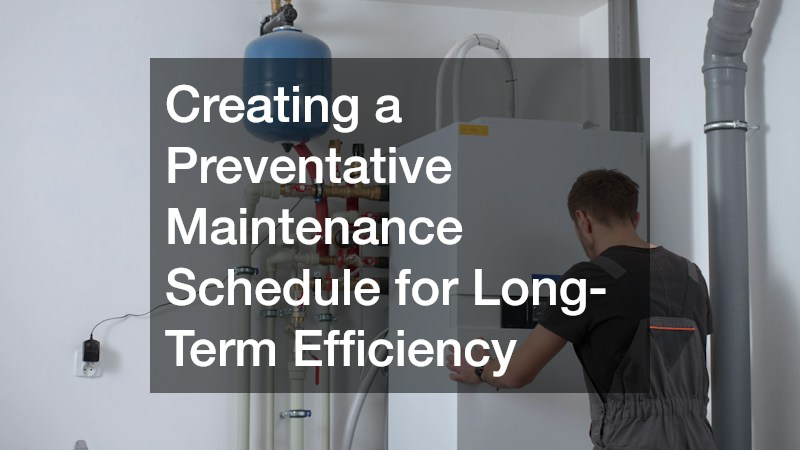
Even the most advanced, high-efficiency climate control equipment will experience declining performance, higher utility costs, and premature mechanical breakdowns if neglected. Establishing a disciplined preventative maintenance routine ensures that your heating and cooling systems operate at peak energy efficiency year after year.
Essential ongoing maintenance tasks for homeowners and technicians include:
-
Monthly Filter Changes: Replacing standard air filters every 30 to 90 days to maintain strong airflow and protect internal coils from dust accumulation.
-
Bi-Annual System Tune-Ups: Booking spring cooling tune-ups and autumn heating inspections to check refrigerant charges, clean burners, and test safety controls.
-
Clearing Outdoor Units: Keeping grass, leaves, snow, and garden debris at least two feet away from outdoor heat pump and condenser coils to maintain unobstructed airflow.
Investing small amounts of time and care into routine maintenance preserves equipment warranties, prevents unexpected emergency service calls during extreme weather, and ensures your home remains comfortable and energy-efficient for years to come.
Upgrading your home’s climate control system through heat pump technology, smart automation, duct optimization, and building envelope enhancements transforms how your living space uses energy. By moving away from inefficient combustion heating, sealing leaky air distribution networks, and taking advantage of intelligent thermostats, you achieve precise indoor comfort while dramatically lowering monthly utility bills. Investing in modern, high-efficiency climate technology not only protects your household budget against rising energy costs but also enhances your home’s long-term comfort, air quality, and resale value.