
Key Takeaways
- Regular maintenance is essential to keep your heating and cooling system efficient and reliable
- Avoid habits like closing vents or ignoring airflow issues, as they can strain your system
- Proper insulation plays a major role in maintaining indoor comfort and reducing energy costs
- Address small HVAC issues early to prevent costly repairs and system breakdowns
- Ensure your system is correctly sized and installed for optimal performance
- Keep air filters clean and airflow unobstructed to improve efficiency and air quality
- Work with qualified professionals to maintain and repair your system properly
A reliable heating and cooling system is essential for maintaining comfort in your home year-round. Whether you’re dealing with hot summers or cooler months, your HVAC system plays a critical role in keeping your indoor environment livable. However, many homeowners unknowingly make mistakes that reduce efficiency, increase energy bills, and lead to costly repairs.
Understanding these common errors can help you protect your system, extend its lifespan, and maintain consistent comfort. This guide breaks down the most frequent heating and cooling mistakes—and how you can avoid them.
Why Do Heating and Cooling Mistakes Matter?
Small HVAC mistakes may seem harmless at first, but over time they can lead to significant problems. Reduced efficiency, higher energy consumption, and unexpected breakdowns are often the result of overlooked habits or poor maintenance.
Avoiding these mistakes helps you:
- Lower your energy bills
- Improve indoor comfort
- Extend the life of your system
- Prevent expensive repairs
Being proactive is always more cost-effective than dealing with major issues later.
Are You Neglecting Regular Maintenance?
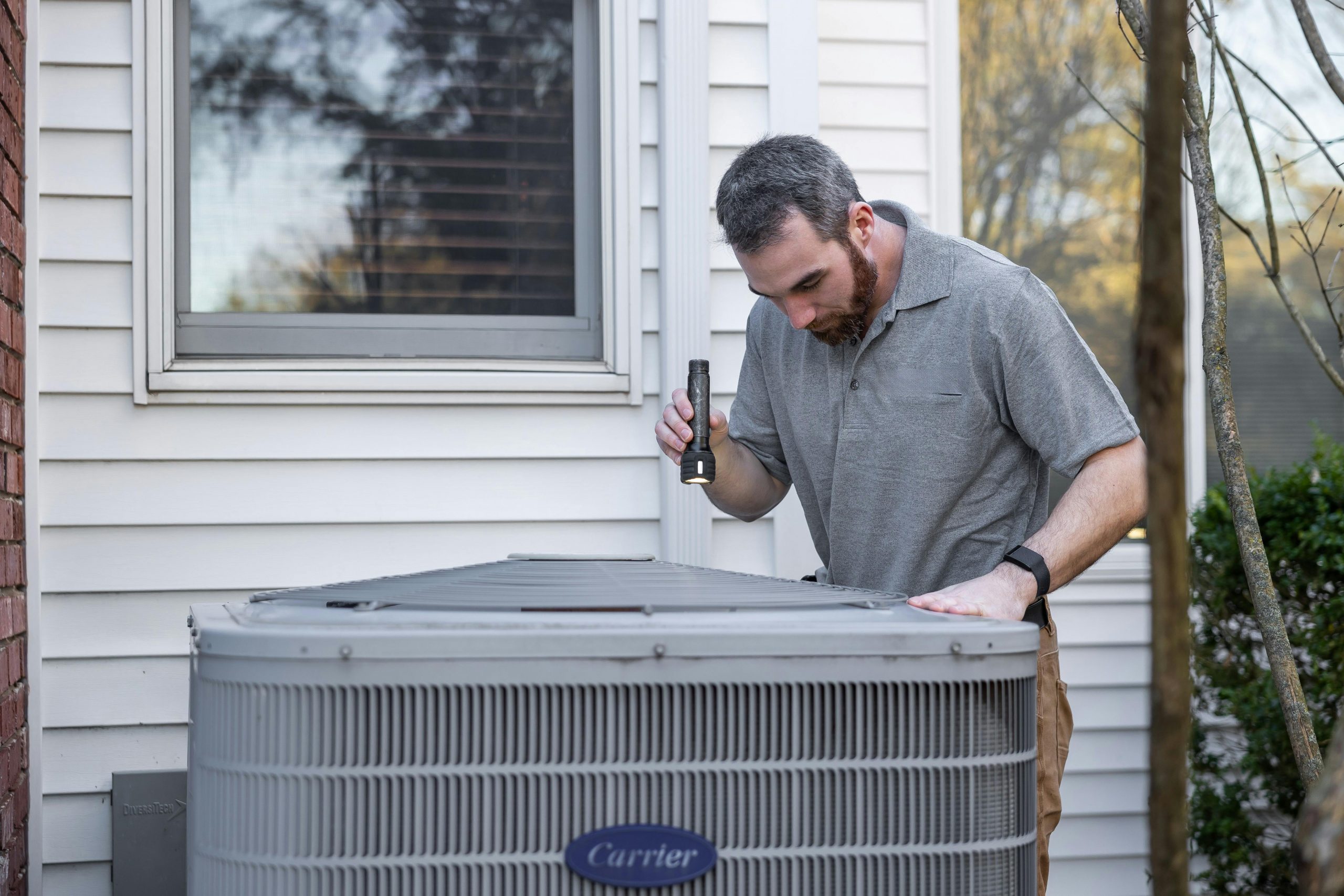
One of the most common mistakes homeowners make is skipping routine maintenance. Your HVAC system requires regular care to function properly.
What Happens Without Maintenance?
- Dirt and debris build up in the system
- Components wear out faster
- Efficiency decreases over time
- Small issues turn into major repairs
Simple Maintenance Tasks
- Replace air filters every 1–3 months
- Schedule annual professional inspections
- Clean vents and registers regularly
- Check for unusual noises or odors
Consistent maintenance keeps your system running smoothly and prevents avoidable problems.
Is Your Thermostat Set Incorrectly?
Improper thermostat use can lead to unnecessary energy consumption and inconsistent temperatures.
Common Thermostat Mistakes
- Setting the temperature too high or too low
- Constantly adjusting the thermostat
- Placing the thermostat in poor locations (near windows or heat sources)
- Not using programmable or smart settings
Better Thermostat Practices
- Use a programmable thermostat for efficiency
- Set realistic temperature ranges
- Avoid frequent manual adjustments
- Keep the thermostat in a central location
Small changes in how you use your thermostat can lead to noticeable savings.
Are You Ignoring Air Filter Changes?
Air filters play a crucial role in maintaining air quality and system efficiency. Neglecting them is a simple but costly mistake.
Problems Caused by Dirty Filters
- Restricted airflow
- Increased strain on the system
- Poor indoor air quality
- Higher energy bills
Best Practices
- Check filters monthly
- Replace them regularly
- Choose the right filter type for your system
Clean filters help your HVAC system operate efficiently and keep your indoor air healthier.
Do You Close Vents to Save Energy?
Many homeowners believe that closing vents in unused rooms will help reduce energy costs. While this idea may seem logical, it often has the opposite effect. HVAC systems are designed to distribute air evenly throughout the entire home, and disrupting that balance can create inefficiencies and strain on the system.
When vents are closed, the air has nowhere to go, which can lead to pressure buildup inside the ductwork. Instead of saving energy, your system may end up working harder to maintain the desired temperature, increasing wear and tear over time.
Why Closing Vents Is a Mistake
- Disrupts airflow balance: Your HVAC system is calibrated to deliver air evenly; closing vents throws off this balance and reduces efficiency
- Increases pressure in the system: Blocked airflow creates pressure buildup in ducts, which can strain internal components
- Causes uneven temperatures: Some rooms may become too hot or too cold, leading to discomfort throughout the home
- Leads to potential damage: Over time, increased pressure and strain can damage ductwork, fans, or other system parts
Keeping vents open ensures proper airflow and system efficiency. Instead of closing vents, focus on improving insulation, sealing leaks, and maintaining your system to achieve better energy savings.
Are You Overworking Your System?
Running your HVAC system constantly without breaks can lead to unnecessary wear and tear.
Signs of Overuse
- System runs continuously
- Rooms never reach desired temperature
- Higher energy bills
How to Reduce Strain
- Improve insulation
- Seal windows and doors
- Use fans to support airflow
- Schedule regular maintenance
Reducing strain helps extend the life of your system.
Is Your Home Poorly Insulated?
Even the best HVAC system cannot perform efficiently if your home lacks proper insulation. Insulation acts as a barrier that helps maintain indoor temperatures by preventing heat from escaping during colder months and keeping cool air inside during warmer seasons. Without it, your system has to work harder to maintain comfort, leading to increased energy use and unnecessary strain on equipment.
Poor insulation not only affects energy efficiency but also impacts overall comfort. You may notice certain rooms feeling too hot or too cold, drafts near windows and doors, or higher-than-expected utility bills. Addressing insulation issues is one of the most effective ways to improve both performance and comfort in your home.
Effects of Poor Insulation
- Heat loss in winter: Warm air escapes easily, making it harder to maintain a comfortable indoor temperature
- Cool air loss in summer: Air-conditioned air leaks out, forcing your system to run longer
- Increased energy usage: Your HVAC system consumes more energy to compensate for temperature loss
- Uneven indoor temperatures: Some areas of your home may feel significantly different from others
Ways to Improve Insulation
- Seal gaps and cracks: Close openings around doors, windows, and walls to prevent air leaks
- Upgrade attic insulation: The attic is a major source of heat loss, so improving insulation here can make a big difference
- Use weather stripping: Apply it around doors and windows to reduce drafts
- Install energy-efficient windows: Modern windows help maintain indoor temperatures and improve overall efficiency
Better insulation supports your HVAC system and improves comfort. By reducing energy loss and stabilizing indoor temperatures, you can create a more efficient and enjoyable living environment.
Are You Skipping Professional Inspections?
Some homeowners rely solely on DIY maintenance and avoid professional inspections, which can lead to missed issues.
Why Professional Checks Matter
- Identify hidden problems early
- Ensure all components are functioning properly
- Improve system efficiency
- Prevent major breakdowns
Understanding hvac repair mistakes to avoid often starts with recognizing when professional help is necessary rather than trying to fix everything yourself.
Are You Choosing the Wrong System Size?
Installing an HVAC system that is too large or too small can cause long-term problems.
Problems with Incorrect Sizing
- Short cycling (turning on and off frequently)
- Inefficient operation
- Uneven temperatures
- Increased wear and tear
What to Do Instead
- Have a professional assess your home size and needs
- Consider factors like insulation and layout
- Avoid guessing or choosing based on price alone
Proper sizing ensures optimal performance and efficiency.
Do You Delay Necessary Repairs?
Ignoring small issues can lead to bigger, more expensive problems over time. What may seem like a minor inconvenience—such as a slight noise or reduced airflow—can quickly develop into a serious system failure if left unaddressed. HVAC systems rely on multiple components working together, and when one part begins to fail, it often puts added strain on others.
Delaying repairs not only increases the risk of breakdowns but can also reduce energy efficiency and compromise indoor comfort. Acting early allows you to fix problems while they are still manageable and less costly.
Warning Signs You Shouldn’t Ignore
- Strange noises or smells: Unusual sounds like banging, rattling, or burning odors can indicate mechanical or electrical issues
- Weak airflow: Reduced airflow may point to clogged filters, duct problems, or failing components
- Inconsistent temperatures: Uneven heating or cooling often signals system inefficiency or malfunction
- Sudden increase in energy bills: A spike in energy costs can indicate your system is working harder than it should
Addressing issues early prevents costly repairs and system failure. Regular monitoring and prompt action help keep your HVAC system running efficiently and extend its lifespan.
Are Your Ducts Leaking or Dirty?
Ductwork plays a vital role in distributing air throughout your home. Problems with ducts can reduce efficiency significantly.
Common Duct Issues
- Air leaks
- Dust and debris buildup
- Poor insulation
Solutions
- Seal leaks properly
- Clean ducts periodically
- Ensure proper insulation
Well-maintained ducts improve airflow and system performance.
Are You Using Old or Outdated Equipment?
Older HVAC systems tend to be less efficient and more prone to breakdowns.
Signs It’s Time to Upgrade
- Frequent repairs
- Rising energy bills
- Inconsistent performance
- System age over 10–15 years
Upgrading to a modern system can improve efficiency and reduce long-term costs.
Are You Blocking Airflow in Your Home?
Furniture, curtains, or other objects can block vents and restrict airflow.
Common Blockages
- Furniture placed over vents
- Closed or covered registers
- Clutter around airflow paths
How to Fix It
- Keep vents clear
- Arrange furniture thoughtfully
- Ensure proper air circulation
Unrestricted airflow helps maintain consistent temperatures.
Do You Understand Your System’s Limits?
Every HVAC system has limits, and expecting it to perform beyond its capacity can lead to problems.
Common Misunderstandings
- Expecting instant temperature changes
- Running the system at extreme settings
- Ignoring environmental factors
Better Approach
- Be realistic with expectations
- Use supplemental solutions like fans or heaters
- Maintain your system regularly
Understanding your system helps you use it more effectively.
How Do You Choose the Right Professional?
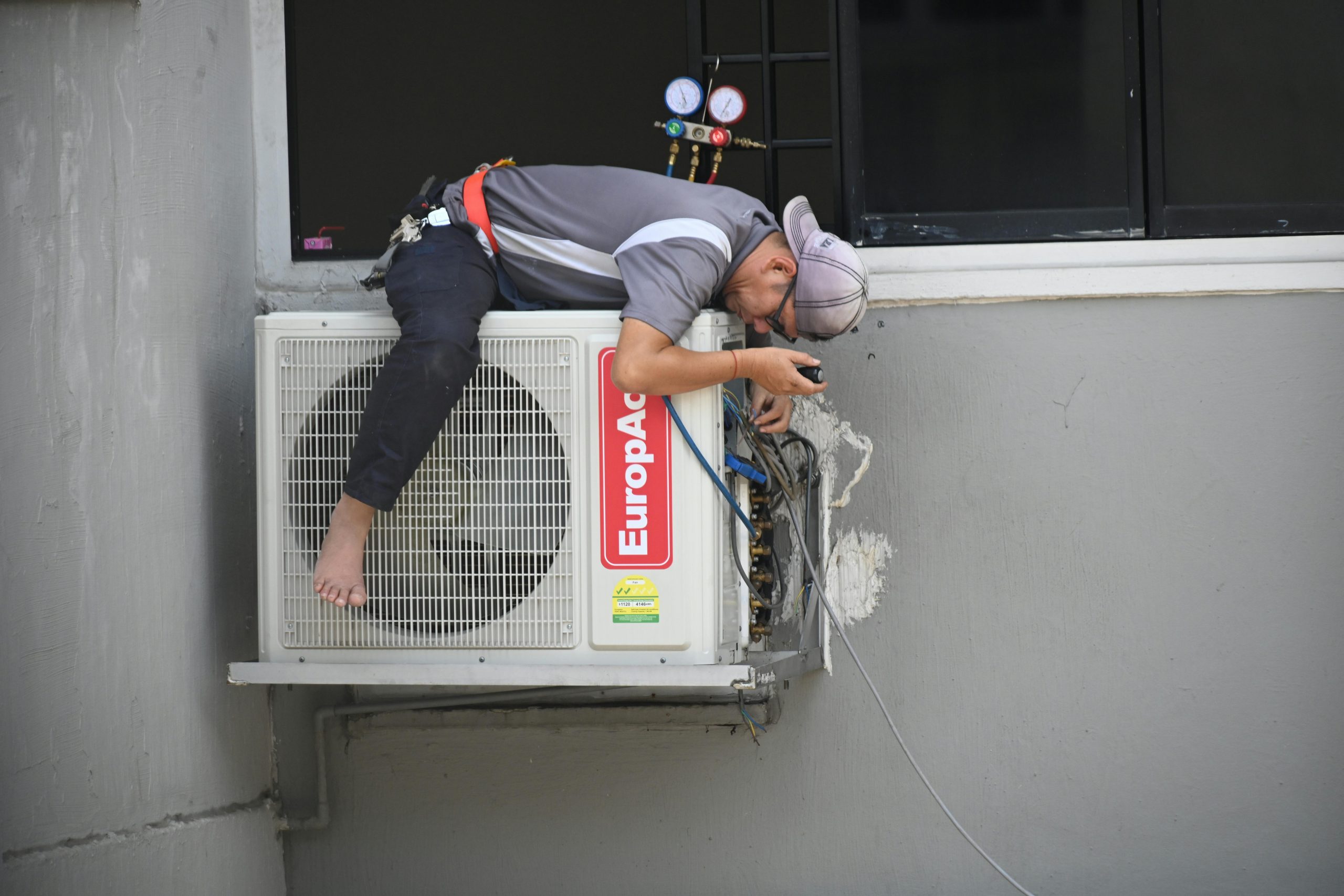
Selecting the right professional is crucial for maintaining and repairing your HVAC system.
Homeowners often struggle with how to choose hvac contractor, but focusing on experience, certifications, and customer reviews can make the decision easier.
What to Look For
- Proper licensing and certifications
- Positive customer feedback
- Transparent pricing
- Clear communication
Working with a qualified professional ensures quality service and peace of mind.
How Can You Build Better HVAC Habits?
Improving your habits can make a significant difference in how your system performs.
Smart Habits to Adopt
- Perform regular maintenance
- Monitor system performance
- Address issues promptly
- Use energy-efficient settings
Consistency is key to keeping your system running efficiently.
Final Thoughts on Avoiding Heating and Cooling Mistakes
Your HVAC system is a long-term investment that requires proper care and attention. By avoiding common mistakes, you can improve efficiency, reduce costs, and maintain a comfortable home environment.
Simple actions like regular maintenance, proper usage, and timely repairs can make a significant difference. With the right approach, you can extend the life of your system and avoid unnecessary expenses while enjoying consistent comfort throughout the year.