
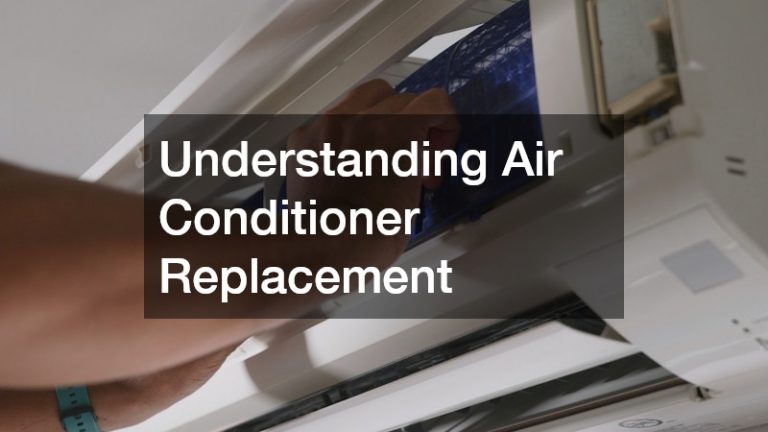
As summer temperatures surge, maintaining a reliable cooling system becomes vital for home comfort, indoor air quality, and household safety. Over years of constant operation, even the most robust cooling equipment undergoes mechanical wear and loss of efficiency. While routine maintenance and timely repairs can prolong a system’s lifespan, every unit eventually reaches a point where continued fixes are no longer cost-effective. Investing in a timely air conditioner replacement restores consistent climate control, lowers monthly energy costs, and prevents sudden mechanical breakdowns during peak summer heat. Recognizing when to upgrade your system ensures your home remains cool, efficient, and comfortable year-round.
Recognizing the Warning Signs of System Failure
Homeowners often struggle to decide whether to continue repairing an old unit or invest in a new installation. Paying attention to performance red flags helps clarify when replacing your system is the smarter financial choice:
-
Age of the System: Standard central cooling units generally last between ten and fifteen years. Once a unit passes the decade mark, internal components degrade, efficiency drops sharply, and major failures become significantly more likely.
-
Frequent and Costly Repairs: If you find yourself calling an HVAC technician every summer for motor replacements, electrical fixes, or refrigerant leaks, cumulative repair bills quickly surpass the value of the equipment itself.
-
Rising Monthly Energy Bills: Aging systems must run longer and work harder to maintain your target thermostat temperature, causing utility costs to spike without any increase in comfort.
-
Uneven Cooling and Strange Noises: Struggling to maintain consistent temperatures across different rooms, paired with grinding, squealing, or rattling sounds, points to severe internal mechanical failure.
Understanding these indicators allows you to plan an air conditioner replacement proactively rather than waiting for an emergency breakdown during an extreme heatwave.
Key Factors to Consider When Selecting a New System
Choosing a new cooling unit involves far more than picking a brand off the shelf. Working with certified HVAC specialists ensures your replacement system matches the exact heating and cooling loads of your home:
-
Energy Efficiency Ratings (SEER2): Seasonal Energy Efficiency Ratio 2 (SEER2) measures a system’s cooling efficiency. Modern high-efficiency models feature higher SEER2 ratings, drastically reducing electricity consumption compared to older, outdated units.
-
Proper Equipment Sizing: An oversized unit turns on and off rapidly, failing to dehumidify the air properly, while an undersized unit runs constantly without reaching your desired temperature. Professionals perform precise Manual J load calculations to determine exact tonnage requirements based on square footage, insulation levels, and window placements.
-
Single-Stage vs. Variable-Speed Compressors: Traditional single-stage units operate at full power whenever running. In contrast, modern variable-speed compressors automatically adjust their output to match real-time cooling needs, delivering maximum energy savings, quiet operation, and superior indoor humidity control.
Carefully evaluating these specifications guarantees that your air conditioner replacement provides long-term energy savings and consistent comfort tailored to your property.
The Importance of Professional Installation
Even the highest-rated, most expensive cooling system will perform poorly if installed incorrectly. Proper installation requires precise technical expertise, specialized tools, and strict adherence to local building codes and environmental regulations. Professional installation teams begin by safely evacuating old refrigerant, removing outdated outdoor condensers and indoor evaporator coils, and inspecting your home’s existing ductwork for leaks, airflow restrictions, or mold growth.
During installation, technicians carefully level the new outdoor pad, connect electrical supply lines, braze copper refrigerant lines under a nitrogen purge, and pull a deep vacuum to remove moisture from the system. Once charged with eco-friendly refrigerant, the team performs comprehensive airflow balancing and system testing. Partnering with a licensed HVAC contractor for your air conditioner replacement protects equipment warranties, ensures safe operation, and guarantees optimal system efficiency from day one.
Financial Benefits and Long-Term Value
While upgrading your cooling equipment requires an upfront financial investment, the long-term financial benefits make it a highly cost-effective home improvement project. Modern high-efficiency units consume up to forty percent less electricity than decade-old models, providing immediate savings on monthly utility bills that accumulate significantly over the equipment’s lifespan.
Furthermore, many regional utility companies and manufacturers offer lucrative rebates, incentives, and energy-efficiency tax credits for upgrading to qualifying high-efficiency systems. Installing a new cooling unit also increases overall property value and home buyer appeal. Most importantly, a professional air conditioner replacement includes manufacturer parts warranties and contractor labor guarantees, offering valuable peace of mind against unexpected repair bills for years to come.
Maintaining Your Investment for Peak Performance
Once your new cooling system is installed, establishing routine maintenance habits is essential for preserving its high efficiency and extending its service life. Simple preventative steps—such as replacing air filters every one to three months, keeping the outdoor condenser unit clear of leaves and debris, and scheduling annual professional tune-ups—prevent airflow bottlenecks and reduce mechanical strain. Routine spring inspections allow technicians to clean coils, check refrigerant levels, and calibrate thermostat controls, ensuring your system operates smoothly throughout intense summer heat.
Upgrading your home’s cooling system is a powerful way to enhance daily comfort, improve indoor air quality, and regain control over rising utility costs. By recognizing the signs of an aging unit, choosing the right SEER2 efficiency rating, and securing expert installation, you safeguard your home against unexpected summer outages. Consult a trusted local HVAC specialist today to evaluate your current system, explore modern cooling options, and schedule a seamless air conditioner replacement tailored to your household needs.