
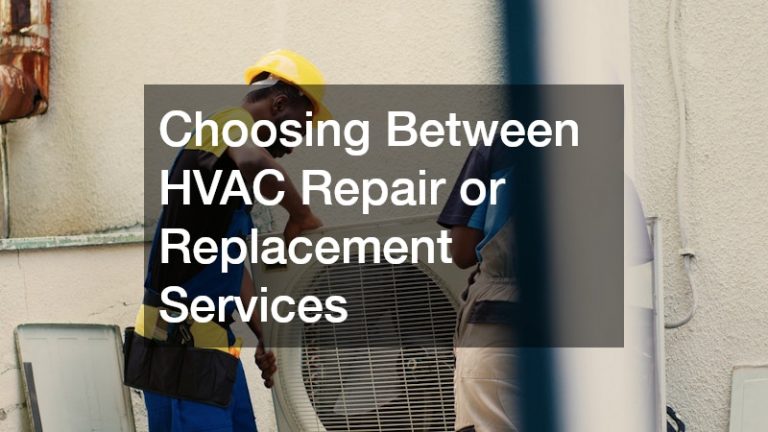
Heating, ventilation, and air conditioning (HVAC) systems are crucial for maintaining comfort and air quality in residential and commercial settings. These systems regulate indoor temperatures year-round, making the decision to repair or replace a malfunctioning system significant.
The decision often centers on the cost-effectiveness of repairs versus replacement, considering factors like age, efficiency, and performance of the existing system. Recognizing the signs of system failure, expenses of frequent repairs, and benefits of modern replacements can guide this choice. Ensuring optimal performance and energy efficiency is key to reducing long-term costs and enhancing comfort.
HVAC technology advances mean upgrading to newer systems can lead to energy savings and better air quality. While repairing an older system may seem cheaper initially, inefficiencies can add up. The choice between repair and replacement should be based on an assessment of short-term costs versus long-term benefits.
What are the signs that your HVAC system needs repair?
Strange noises like grinding or squealing indicate underlying issues that need HVAC services. Unusual odors, such as burning or musty smells, may signify mold growth or electrical problems, necessitating immediate repairs. Ignoring early warning signs can lead to significant damage over time, resulting in costly repairs or system breakdowns. Promptly addressing these symptoms can prolong system life and maintain indoor air quality. Regular maintenance, including inspections and tune-ups, can spot issues like loose components before they escalate. Maintaining cleanliness and ensuring proper airflow can prevent noises and smells from becoming more serious problems.
Temperature fluctuations can indicate HVAC struggles in maintaining climate control, often due to failing thermostats, blocked vents, or low refrigerant levels requiring repair. Inconsistent room temperatures lead to discomfort and ineffective energy use, increasing utility bills. Targeted repairs ensure even temperature distribution, optimizing comfort and reducing costs. Persistent temperature issues may suggest more severe problems, such as an undersized system or inadequate ductwork. Evaluating the system’s performance can determine if repairs suffice or upgrades are needed.
When is it more cost-effective to replace an HVAC system?
Systems can last 10-15 years with regular HVAC services; beyond this, replacement is often more cost-effective. Aging systems become less efficient and break down more, increasing ownership costs. Newer systems are more energy-efficient, offering potential energy bill savings. Replacing an old unit when efficiency drops can offer better long-term value and reduce environmental impact. When an older system operates at high energy costs, savings from energy-efficient models may outweigh repair costs. Comparing current and projected energy costs with replacement expenses clarifies upgrading benefits.
Frequent service needs may warrant replacement rather than continued repairs. Costly parts and labor, plus inconvenience of recurring issues, can financially strain homeowners. Professionals suggest weighing repair costs against 50% the value of a new system. If costs exceed this benchmark, replacement may make better financial sense. Newer systems often include warranties, offering protection against major expenses and improving reliability. This security can influence decisions between repairs and new investments.
How to choose the right HVAC replacement system?
When selecting a new HVAC system, consider energy efficiency ratings like Seasonal Energy Efficiency Ratio (SEER). Higher SEER ratings indicate more efficient systems, reducing energy consumption and utility bills. Energy-efficient systems benefit the environment and can qualify for tax incentives, offsetting initial costs. Understanding these ratings helps homeowners make informed decisions for performance and savings. Investing in systems with superior energy efficiency reduces total lifetime HVAC setup costs, enhances comfort, and lowers the carbon footprint of maintaining a stable indoor environment.
Proper sizing is crucial to HVAC performance; oversized or undersized units struggle with efficiency and comfort. Professional HVAC services to calculate building load requirements ensure the chosen system fits space needs. Compatibility with existing ductwork is key to optimal performance without additional infrastructure modifications. Evaluating size, compatibility, and modern features like smart thermostats and zone control options enhances system efficiency. Aligning these features with specific needs maximizes investment returns.
Deciding to repair or replace HVAC systems hinges on factors like age, efficiency, and the condition of the existing setup. While repairs may address minor issues, aging or inefficient systems may incur higher maintenance costs. Recognizing signs of wear, evaluating repair costs, understanding efficiency, and ensuring proper fit are essential steps. Replacement addresses current inefficiencies and prepares for future demands. Informed decisions depend on assessing immediate financial implications and long-term benefits. Staying proactive about HVAC needs ensures consistent comfort and cost savings.